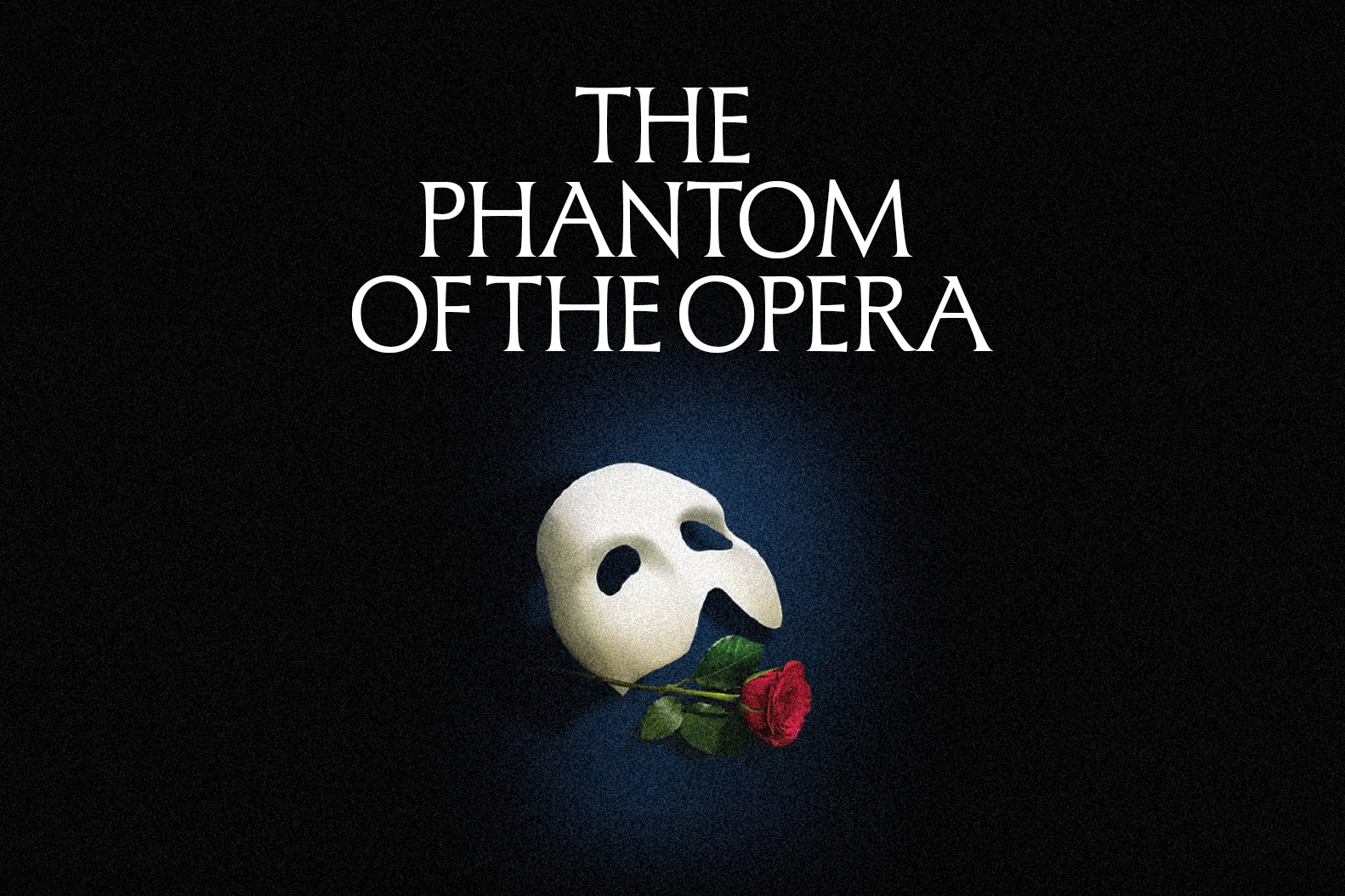
The Phantom of the Opera is back in town and has been wowing audiences in the Sands Theatre. My mother and I would certainly know, as we were there and utterly blown away by the phenomenal performances.
I first watched the full show on YouTube during the COVID-19 circuit breaker. Watching it live five years really hits differently. While the live music gave me some extra goosebumps, the plot and the characters stood out a lot more to me this time.
Thanks to adulting, I could see much more complexities in the story itself which left me with many thoughts about life and certain biblical principles worth considering. These are my reflections from three songs in the musical that really resonated with me.
1. Masquerade
Masquerade is one of my favourite songs! Not only is it catchy, the lyrics really capture a central theme of the musical and a relevant struggle in modern life – image. Masquerade, as its title suggests, is a song about masks, and also reminded me of the biblical truth that God looks at the heart.
Born with a disfigured face, the Phantom’s physical appearance is his deepest insecurity. That is the reason he wears his signature white mask throughout the whole musical; we hear why as well in the part of the song that goes: “Masquerade! Hide your face, so the world will never find you!”
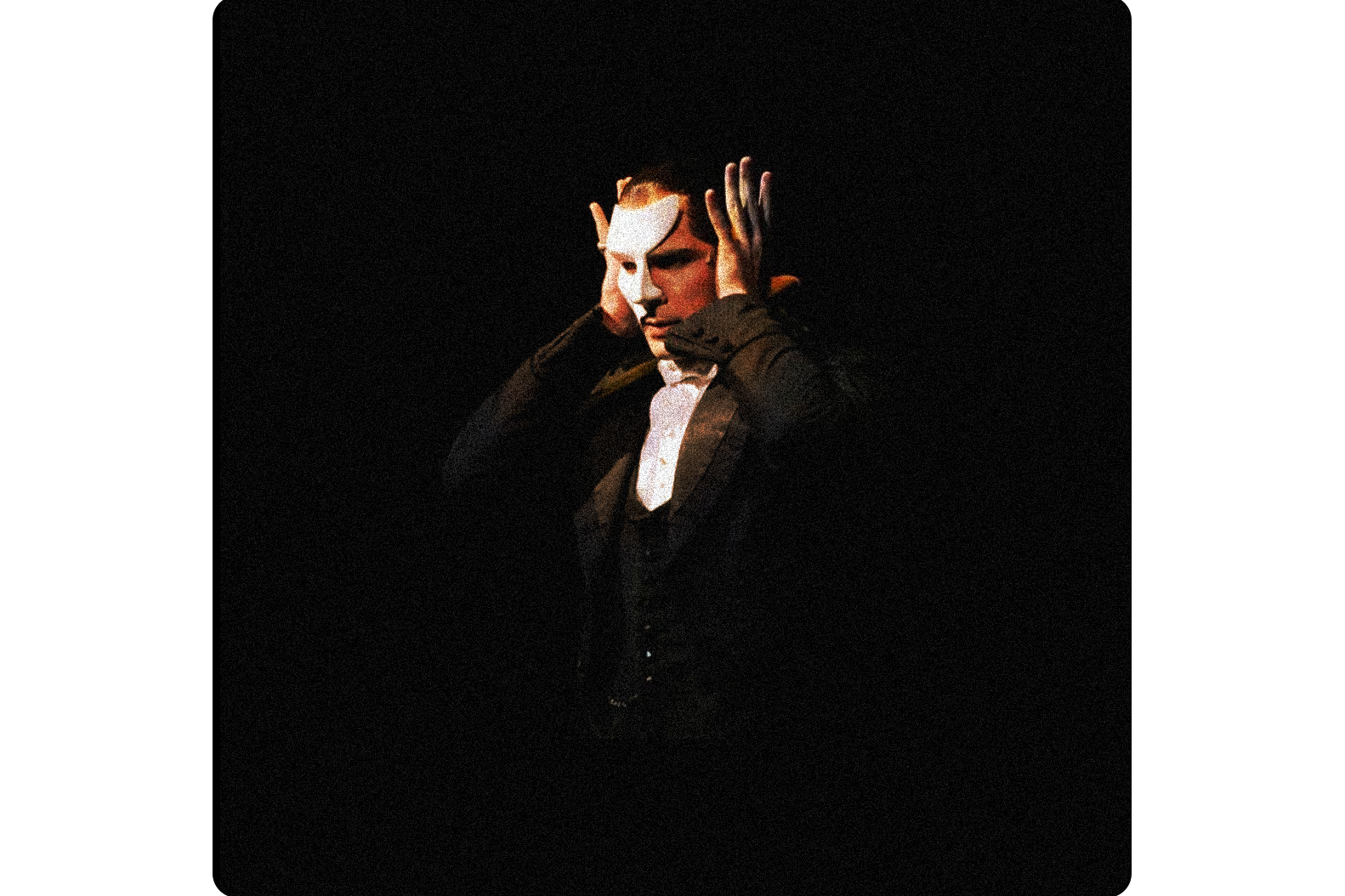
Like the Phantom, we all have masks in our lives that hide our insecurities.
We put on a mask so that the world doesn’t find us or see that part of us. And it’s never been easier to do so in our digital age today. Everyone shows their good and glamorous sides on social media like “paper faces on parade”, curating their image and identity for the world to see.
There are also other masks beyond social media. Some of us hide behind our talents, others hide behind their grades.
But who are we, really, when we remove these masks? Are we still smiling? Are we actually doing as good as we try to seem?
Just because we are Christian does not mean we are spared from this culture of disguise – it is all too easy to fall into this trap as well.
We can be actively serving in public, but are we faithfully walking with God in private? Do we only have the form of godliness without its power?
Because I can see this aspect of the Phantom in my own life, I am grateful for the God I serve.
Jesus doesn’t need us to put up a mask – not even the mask of religiosity – we can come as we are before Him because of what He did for us on the cross!
God sees us. He does not need our pretence or “perfection” before we can go to Him.
The Bible says in 1 Samuel 16:7: “People look at the outward appearance, but the Lord looks at the heart.”
God sees us. He does not need our pretence or “perfection” before we can go to Him. And when we understand how God sees us, we will naturally understand how God sees others as well.
So let’s ask God to teach us to look at the heart; that sort of perspective is the only way we will be able to understand why Jesus had compassion on the multitudes.
If you are living behind a mask today, be assured that Jesus sees your heart. He knows your thoughts, and He loves you – whatever you look like.
2. The Mirror (Angel of Music)
“Be careful what you think, because your thoughts run your life.” (Proverbs 4:23, NCV)
Whenever I hear that line from Christine about how the Phantom of the Opera is “inside [her] mind”, I always feel unease.
Our minds are so important and giving space to wrong things or wrong thoughts can open the door to negative consequences or bondage.
Our thoughts really do have the power to determine our lives, and this is also emphasised in “Masquerade”, where the Phantom ends the song on a haunting note, telling Christine, “Your chains are still mine, you will sing for me.”
Indeed, for most parts of the musical, Christine can hardly escape from the grip of the Phantom.
Similarly, harmful thinking can have a hold on us and torment us if we give way for wrong thoughts to linger.
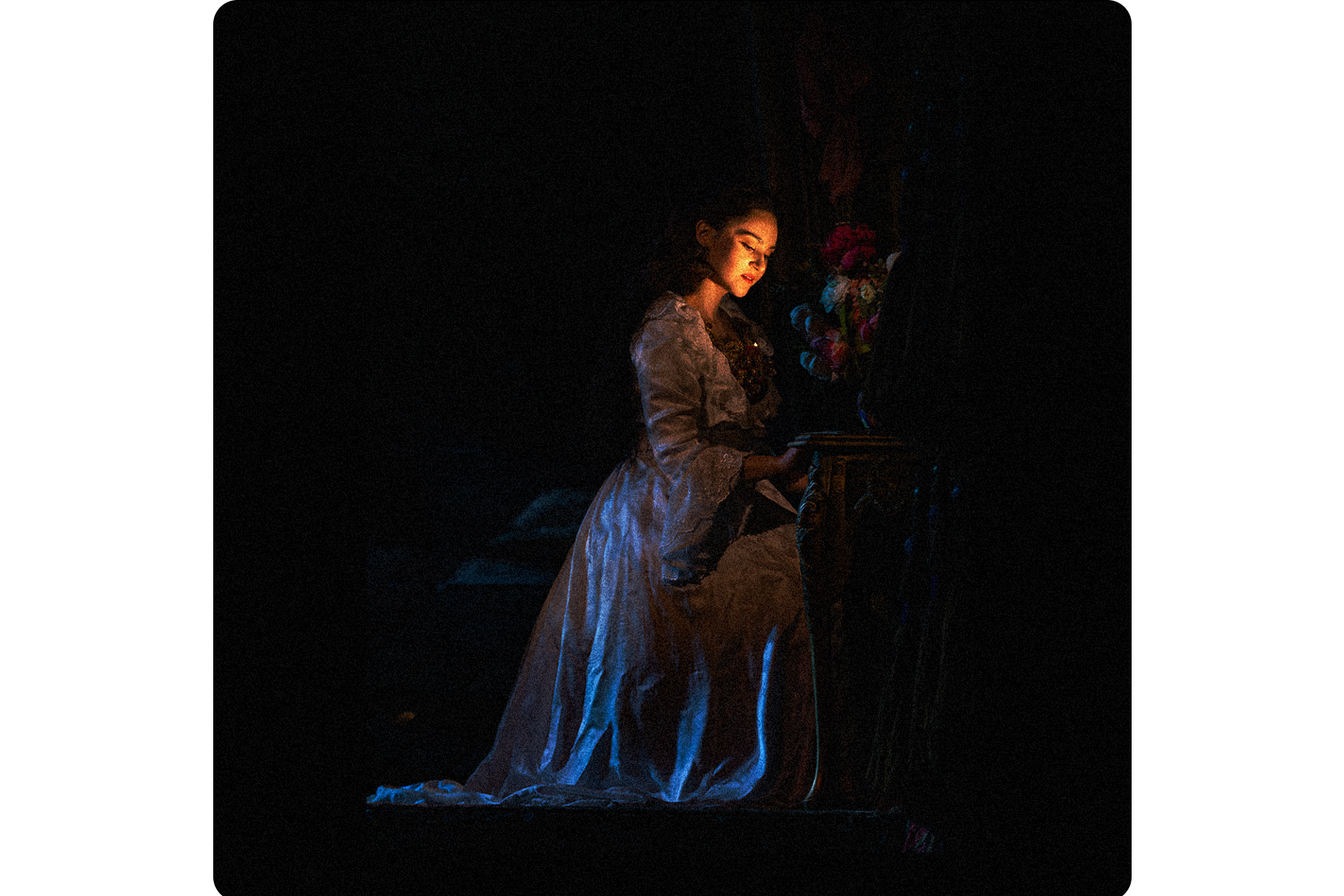
The Mirror is a song sung right before Christine meets the Phantom face-to-face. It is especially memorable to me because its lyrics remind me to be wary of my thoughts.
We need to be careful of what we let into our heads. The Phantom is basically master over Christine’s mind, who sings worrying things like: “Angel, my soul was weak; forgive me. Enter at last, Master.” The Phantom appears wispy and ethereal, but has real control over Christine’s life.
Likewise, when we cede ground to the wrong things in our minds, we unintentionally give power to them.
Entertain wrong thoughts long enough and they can eventually overtake us, forming strongholds in our lives that cause us to be imprisoned in certain thinking patterns, just like how Christine is trapped under the cycle of the Phantom’s control.
But it’s not about sweeping wrong thoughts under the carpet.
The Bible teaches us in 2 Corinthians 10:5 to “take captive every thought to make it obedient to Christ.” This means that we are to discern our thoughts, putting them to the test against the Word of God to examine whether they are in alignment with what He says.
Good, neutral and negative thoughts will always come to us; we can always ask God to renew our minds so that our thought life will be disciplined and refined to one that leads us to think of that which is true, noble, pure and praiseworthy in the sight of the Lord.
3. The Final Lair
The final part of the musical touched me most. In “The Final Lair”, there is a great change in the dispositions Christine and the Phantom have towards each other which gives us a glimpse of how God loves.
We know that the Phantom is hatefully controlling, but we learn at this point that it stems from his deep insecurity. The Phantom does not know what true love is because no one has ever shown him compassion or kindness.
In the “The Final Lair”, Christine perceives that the “distortion in his soul” is caused by the darkness that the Phantom himself is stuck in.
Pitiful creature of darkness
What kind of life have you known?
God give me courage to show you
You are not alone.
At this moment, she realises that the Phantom has been imprisoned all his life, both physically and figuratively, which is why her hatred towards him dissolves.
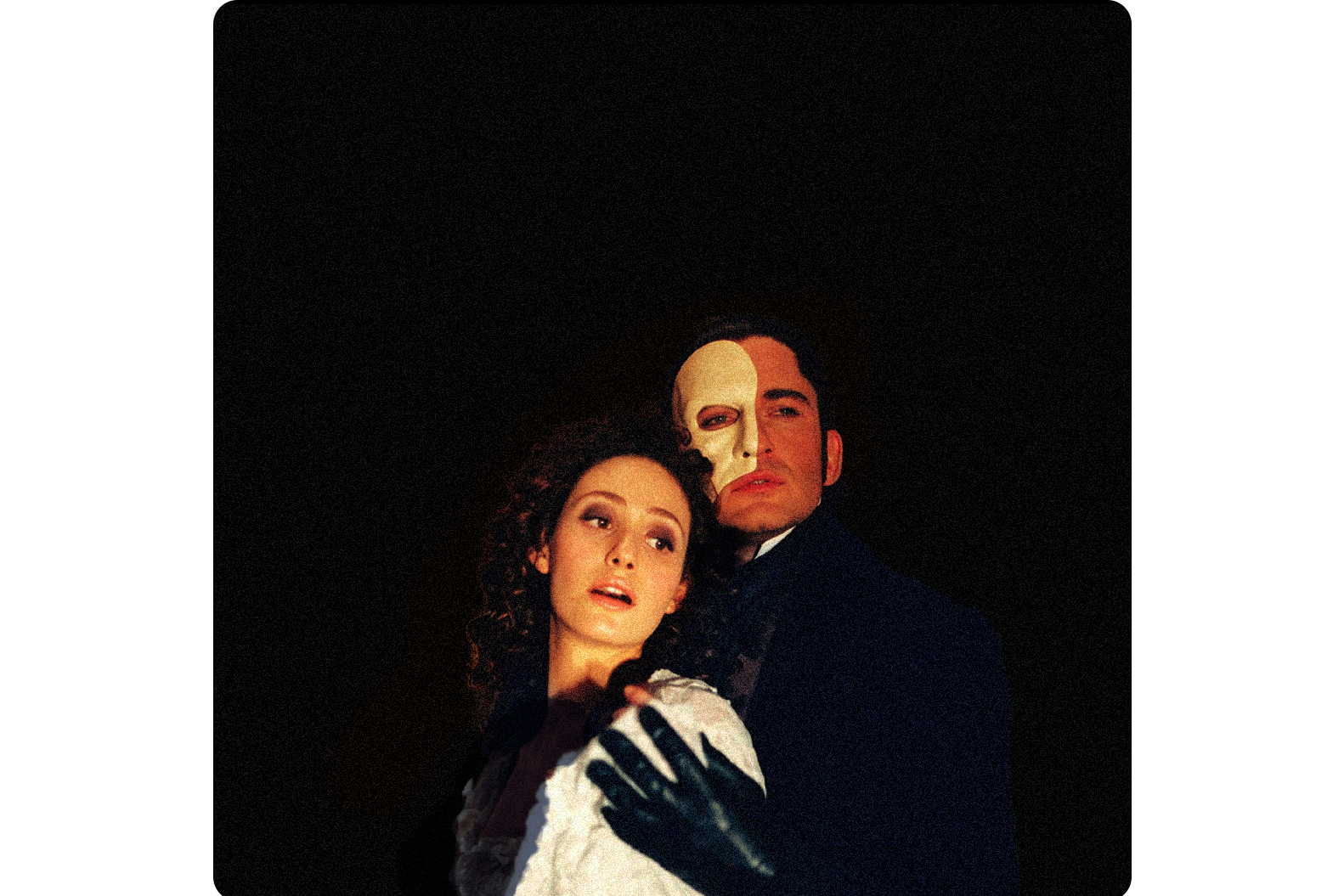
Christian author G.K. Chesterton once wrote, “There is the great lesson of ‘Beauty and the Beast,’ that a thing must be loved before it is lovable.”
I suppose that is proven true in The Phantom of the Opera as well. What changes the Phantom’s mind to free Christine, is ultimately a display of compassion, acceptance and forgiveness from Christine.
At last, the Phantom finally understands love not through the lens of possession and control, but through the lens of free will. That is why he can eventually tell Christine, “Christine, I love you”, and still decide to release her and Raoul.
Human love is selfish because we have all fallen short of the glory of God (Romans 3:23), but if we have experienced the love of God, we will know that His love is others-centered. God’s selfless love is seen throughout the Bible and is most evidently exemplified through the central message of the Gospel itself – Jesus dying on the cross for the sins of man.
From the change in the Phantom’s attitude towards Christine and Raoul, we can see that when we experience compassion, the expression of our love will no longer be confined to the human standard of love. Instead, we will be compelled to love the way God does.
The Phantom’s transformation can also be observed in the last scene, where he vanishes and even leaves his mask – his greatest comfort – behind, choosing to come out of his dungeon to live a new life without ever hiding who he is again.
I feel that The Phantom of the Opera leaves us one simple message at the end of the day: no one is too hard to love.
The musical is much more than flashy presentation and earworms that ring in our heads every now and then. It is about imperfect people finding their way to freedom through love. Through that, we see that even the ugliest of humanity can be transformed by Love because God accepts us as we are and redeems us.
Phantom or human, masked or unmasked, disfigured or beautiful – Love still conquers all.