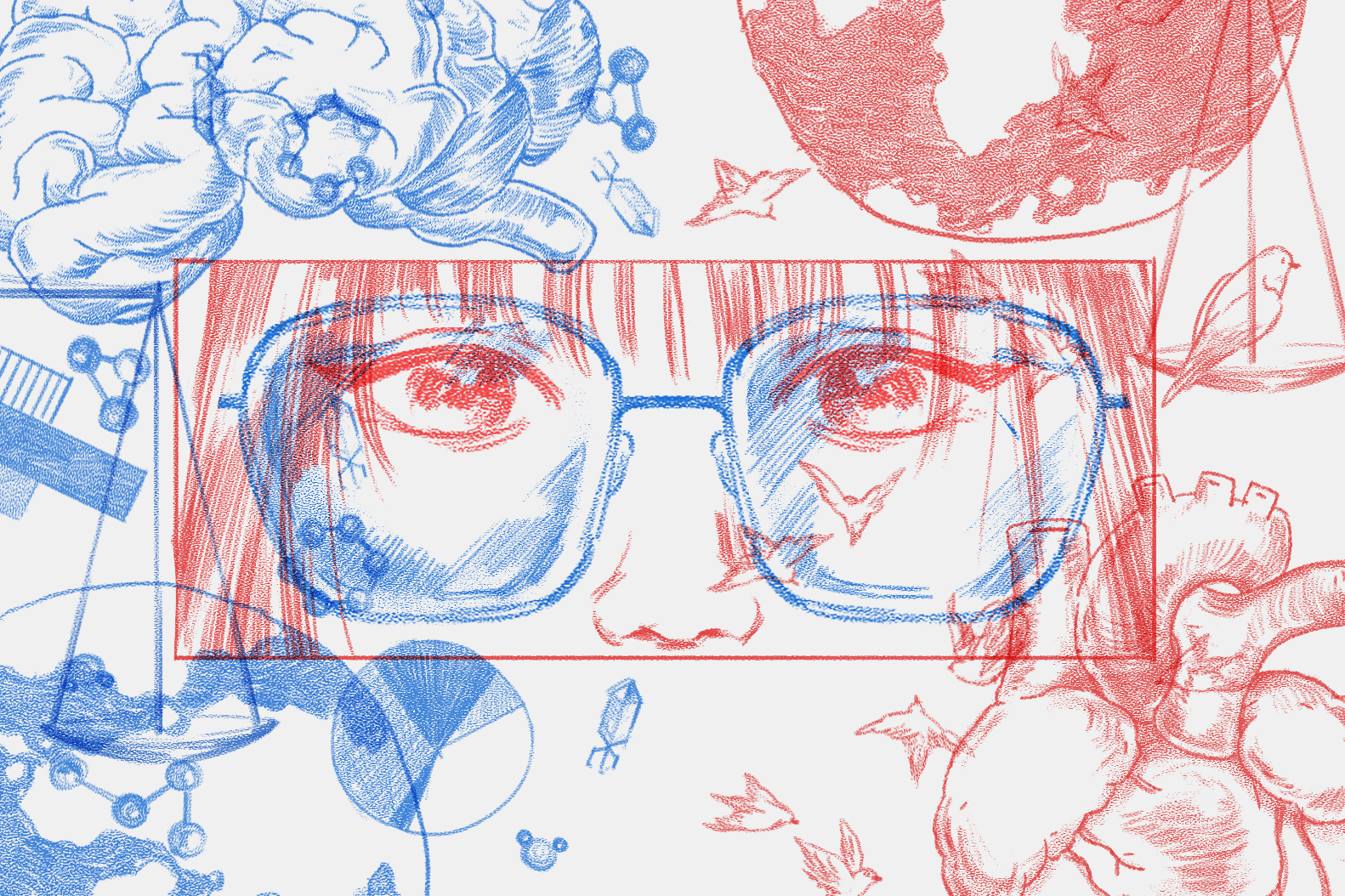
My days are often spent in two different worlds.
In one world, which is the world of a research scientist, I live by data, scientific evidence, and clarity. In my lab, I design studies to measure behaviours, analyse data and refine theories and hypotheses.
Like most behavioural scientists, I work to understand the tangible mechanics of life. I am genuinely grateful for this. Science has blessed our nation with better healthcare, smarter technology and practical solutions that make life better for so many.

However, I also live in another world. A world of prayer, worship, and the quiet, immeasurable sense of God’s presence. A world where truth is found not in datasets or research papers, but in the person of Jesus Christ.
For a long time, I tried to keep these worlds in separate boxes. But I have learned that it is impossible. They bleed into each other.
And I have noticed something that quietly happens if I am not careful: when science becomes the primary lens through which I see everything, my faith starts to shrink as I become fixated solely on what can be seen.
This is a gentle, heartfelt caution for friends who, like me, love Jesus and also love science and good data.
Celebrate the gift, but know its limits
Let us be clear: science is a wonderful gift from God. Psalm 19 tells us the heavens declare the glory of God. Creation is intelligible because our Creator is wise and orderly. We should be the first to cheer for every scientific breakthrough as an expression of God’s common grace.
Science is a powerful servant. It can describe how our bodies function and how diseases spread. It can predict which medical treatments are likely to work, help design better public systems, or guide intervention programs to enhance well-being.
It brings healing through medicine, therapy, and a better understanding of what we need to be healthy.
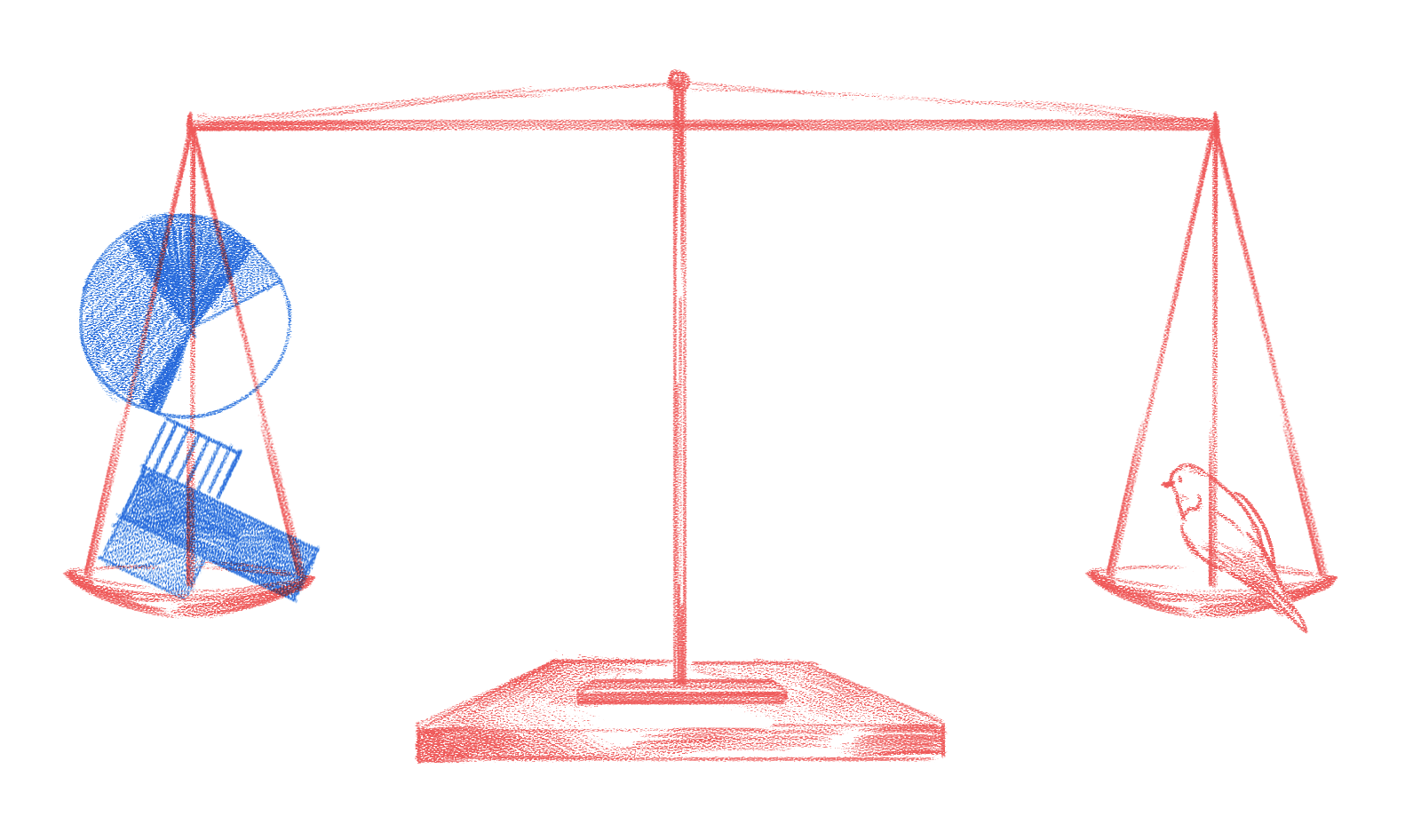
But a good servant makes a poor master. Science is powerful within its domain, but it was never meant to be the measure of all reality. It can describe what is, but it cannot define why something is the way it is.
Science can track brain activity during a worship night at church, but it cannot explain the sense of awe as a soul bows before its Maker.
It can measure drivers’ stress levels in a traffic jam, but it cannot capture the quiet act of worship in exercising patience and grace because you want to honour God. It can give you the to-dos for a healthy body, but it can never tell you what your life is for.
Behavioural models can predict the outcomes of our choices, but they cannot weigh our consciences as we stand before the Lord.
Colossians 2:8 warns us not to be taken captive by “hollow and deceptive philosophies, which depend on human tradition and the elemental spiritual forces of this world rather than on Christ”.
One of the most subtle philosophies of our time is reductionism: the idea that everything is nothing but its smallest parts. Love is “nothing but” hormones. Courage is “nothing but” neural spikes. Faith is “nothing but” a psychological comfort.
Reductionism can slip into our thinking like a quiet bias. When that thinking creeps in, we lose the deeper reality.
Holding our two worlds together
So how do we live faithfully in a data-driven world? I do not believe the answer is to reject science, but to put it in its proper place under the lordship of Christ.
For me, this has meant leaning on both good science and honest faith, especially in seasons of stress.
I have been thankful for medication, counselling, and the science of sleep. But those things supported my body; they could not orient my heart.
For that, I needed Scripture, community, prayer, and accountability. Each mattered. Neither could replace the other.
Proverbs 3:5-6 calls us to “trust in the LORD with all your heart and lean not on your own understanding.” It is not a call to stop thinking. It is a call to check our foundation. It means our ultimate authority is God’s revealed Word, not the latest scientific headline.
A Scripture-first posture means we begin with the biblical story: Creation’s goodness, the reality of the Fall, Christ’s redemption, and our hope in the resurrection.
We then integrate useful insights from science within that framework, seeking what is true while probing deeply into claims that contradict God’s wisdom.
And we keep persons at the centre. It means we remember that people are not problems to be engineered or managed, but image-bearers to be loved, whether in your cell group meeting or in a corporate meeting.
A gentle invitation
If the tension between science and faith feels familiar to you, can I offer a gentle invitation? Let us practise keeping science in its rightful place.
When you encounter an article starting with “Science says,” pause and ask yourself: is this a claim about facts or a claim about meaning?
- Is it describing how something works, or is it trying to define why it matters?
- Are the claims going beyond what the data can say?
- Is the evidence correlational or causal, and how robust is it?
- And does the conclusion align with Scripture’s view of God, people, and the world?
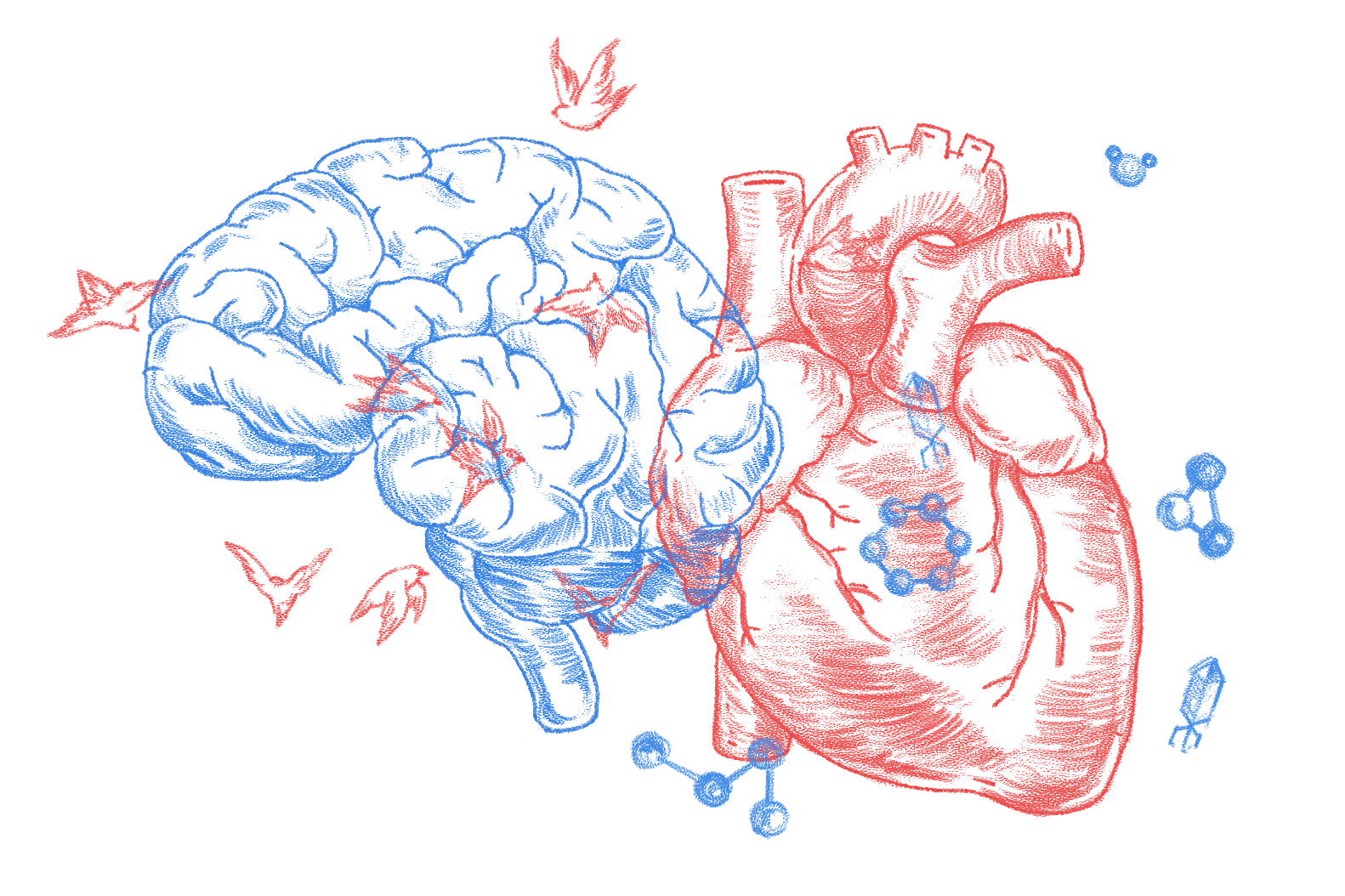
If science becomes our lens, we may start to believe that all our thoughts and emotions are mere products of hormones and neural activity.
But if we keep Scripture as our lens, we remember that love is covenant, patterned after Christ’s self-giving; courage is obedience, empowered by the Spirit; and worship is our true joy that cannot be explained.
Science can describe parts of these experiences, but it cannot define their meaning or worth.

Let us be people who honour science as a gift and keep Jesus as our Lord. When we do, we can do science gratefully, live by truth courageously, and love others as whole persons made in the image of a glorious God.
We are meant to be living sacrifices and bearers of the image of God, not simply biological machines.

- Where do you notice yourself trusting what can be measured more easily than what God has revealed? What does that look like in your decisions, anxieties, or habits?
- In what ways has science or data been a gift in your life—and where might it be quietly shaping how you define meaning or worth?
- What helps you keep Jesus as Lord in a data-driven world? Are there practices, Scriptures, or community rhythms that re-orient your heart when faith feels reduced to what can be explained?