We see in Matthew 26:26-29 that it is Jesus who conducted the first communion at Passover:
While they were eating, Jesus took bread, and when he had given thanks, he broke it and gave it to his disciples, saying, “Take and eat; this is my body.” Then he took a cup, and when he had given thanks, he gave it to them, saying, “Drink from it, all of you. This is my blood of the covenant, which is poured out for many for the forgiveness of sins. I tell you, I will not drink from this fruit of the vine from now on until that day when I drink it new with you in my Father’s kingdom.” (Matthew 26:26-29)
Similar to how the ingredients in our yusheng during Chinese New Year hold symbolic blessings, the food eaten at the traditional Passover meal were also meant to convey a symbolic meaning.
For instance, the bitter herbs represented the bitterness of slavery, while salt water was meant to commemorate the tears shed by the Jews when they were oppressed by Egypt (Exodus 1-3).
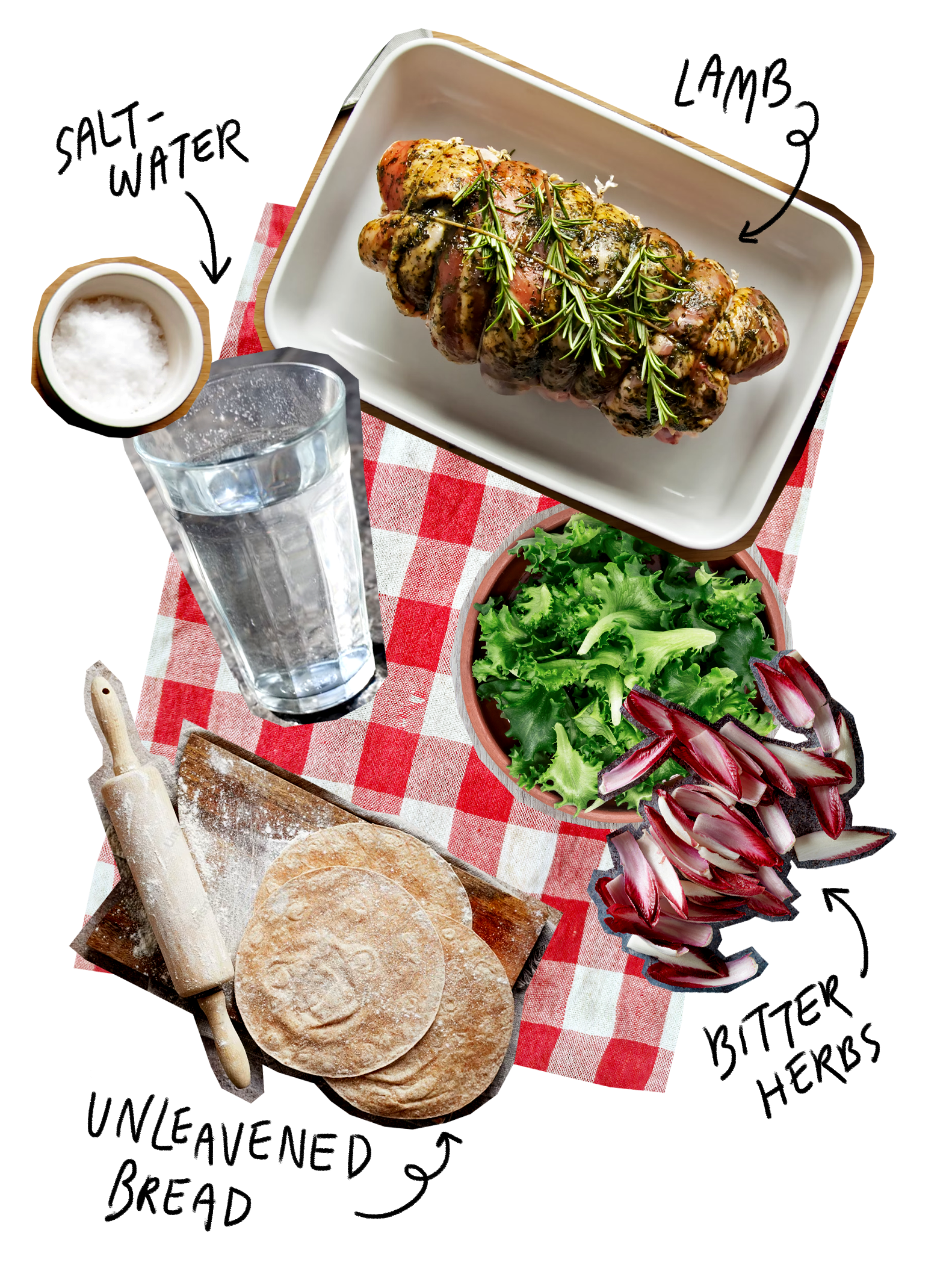
But Jesus would raise these meanings.
While the bread eaten at the Passover was traditionally meant to symbolise the bread of affliction eaten in Egypt, Jesus likened the bread to His body.
This was how He reminded His disciples of how He would soon suffer and die for the world He would save.
Communion shouldn’t be thought of as a pre-sermon snack, it is a solemn practice that we undertake in remembrance of Christ’s sacrifice.
In the Passover meal, unleavened bread was used — a type of bread made without rising ingredients like yeast. Yeast was almost always symbolic of sin and corruption in the Bible.
Unleavened bread is also easily broken, which is a good parallel to Jesus’ body that was broken and pierced for our iniquities and transgressions (Isaiah 53:5).
In taking the bread of communion, we are hence meant to remember what Jesus did for us on the cross.

Jesus also declared a “new covenant” to His disciples. Instead of the use and sacrifice of unblemished animals like lambs to cleanse one of sin, Jesus became the perfect sin-bearing sacrifice for us, once and for all.
The wine consumed during communion is meant to symbolise Jesus’ blood that seals this new covenant, just as Moses had sealed the old covenant in Exodus 24:8.
Today, we can have a personal relationship with God only because of what Jesus Christ has done for humanity on the cross.
By commanding us to “take” the bread and the cup, Jesus also reminds us that we have to choose whether or not we will receive Him into our lives and follow Him.
Just as we have to eat to live, we can only have eternal life when Christ is our Lord and we “eat” His bread and cup.
Thus, participating in Holy Communion is a practice exclusively for believers in Jesus who understand the meaning of the bread and the wine, and who have already chosen to follow Christ.
And when we take Holy Communion as a church, we also commune with fellow believers and come together as a united Body of Christ.
An unworthy manner
In taking communion, Paul also reminds us to “examine” ourselves, for “whoever eats this bread or drinks this cup of the Lord in an unworthy manner will be guilty of the body and blood of the Lord” (1 Corinthians 11:28-29).
The reminder that Paul gives to the Corinthian church also applies to us. We are meant to take the bread and cup with reverence, and to examine ourselves and our conduct if we are living righteously for the Lord.
Communion shouldn’t be thought of as a pre-sermon snack, it is a solemn practice that we undertake in remembrance of Christ’s sacrifice (1 Corinthians 11:23-26).
Today, be encouraged to look deeper into the meaning of why we take Holy Communion at church so that we may always bring the right attitude before God.

- Do you understand the meaning and significance of communion?
- Try examining yourself next time you take communion. What is God revealing to you?