Most of us would rather say nothing. It is easier to look away, to pray quietly, to hope the problem resolves itself. But Jesus, in Matthew 18, calls us to something harder… and something better.
Jesus is responding to the disciples who asked Him who among them would be the greatest in the kingdom of heaven. He calls a child to Him and says: “Unless you change and become like little children, you will never enter the kingdom of heaven.”
In God’s kingdom, it is the humble and innocent who will enter, and humility and innocence are what count as greatness.
Because sin is so serious, we must deal with it. This is the context and the spirit behind how we confront one another about the sin we see in each other’s lives.
We then see that Jesus takes it extremely seriously when one of His little ones is led into sin. His little ones are literally children, and also those who are like them — the humble and innocent.
Speaking about those who corrupt these little ones, Jesus says “it would be better for them to have a large millstone hung around their neck and to be drowned in the depths of the sea.”
So if our actions, our sin, corrupts children or other, younger, newer believers — it is a problem. If we introduce people who were pure into some kind of sin or corruption, whether that is a habit or hobby or whatever — it is a problem. These are severe warnings by Jesus.
And therefore, because sin is so serious, it is worth making sacrifices so we do not stumble or cause others to stumble. Because sin is so serious, we must deal with it. This is the context and the spirit behind how we confront one another about the sin we see in each other’s lives.
And importantly, remember that God’s heart is to pursue the one who strays. That frames the entire discipline process as an act of love, not judgment:
“If your brother or sister sins, go and point out their fault, just between the two of you. If they listen to you, you have won them over. But if they will not listen, take one or two others along, so that ‘every matter may be established by the testimony of two or three witnesses.’ If they still refuse to listen, tell it to the church; and if they refuse to listen even to the church, treat them as you would a pagan or a tax collector.” (Matthew 18:15-17)
All this is about winning your brother over to God. Not winning an argument or winning against them.

How to address a brother’s sin
Go and point out their fault, just between the two of you. Just two people are involved in this first step. It is a private conversation. Not gossip, not a prayer request.
You go straight to the person and gently explain what you have seen in their life that runs contrary to God’s Word, or share how they have sinned against you.
And if they listen to you, you have won them over. You resolve the matter and there is peace again, and more importantly, they would have repented and stepped away from sin.
It’s also worth noting that Jesus did not say you must immediately resolve it. It is enough for a first step that they hear you. They don’t hear it from other people, they hear it from you.
Who was the last person to point out your sin? We must learn to see such difficult conversations as a gift. If you don’t have anyone in your life that does this, you need Christian brothers, and you also need to be a Christian brother to someone else.
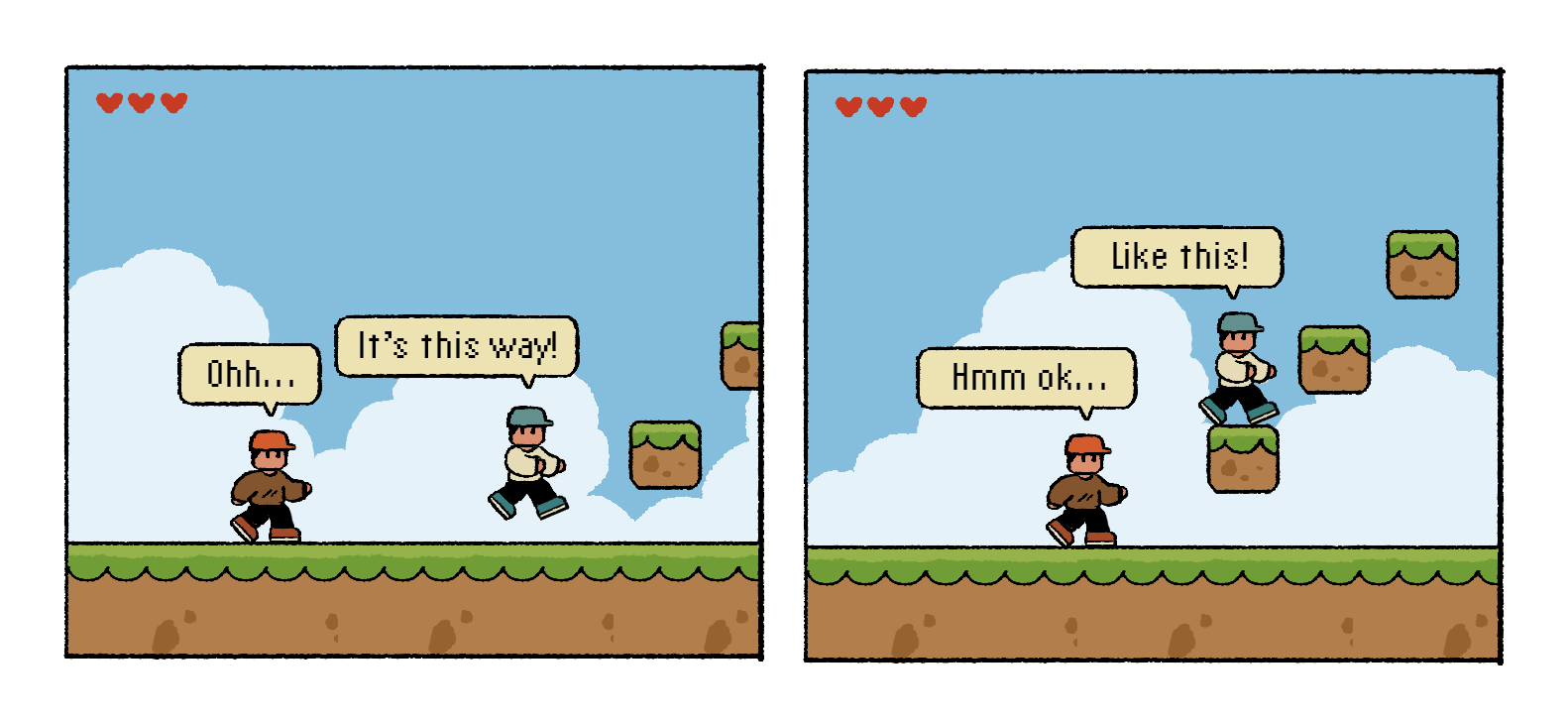
If they will not listen, take one or two others along. To be clear, the idea here isn’t to gang up against the offender.
The circle widens, and one or two more come in to this issue, and maybe the unrepentant person will be stirred to see reason.
One or two more come in, and they have the ability to establish the matter and weigh up both sides of the argument to see where the wrong and responsibility really lies. Perhaps it is even the person who raised the issue who might be in the wrong.
Regardless, the goal is still mediation and reconciliation.
If the person still refuses to hear them, then it becomes a church discipline matter. The consequence here is that they are refused full standing and participation.
This is most likely going to be at a cell or church level. They are placed outside of the blessing and protection of fellowship, with the hope that they would experience the error of their ways and come back to God.
We see this practised elsewhere in the New Testament. Speaking about the sexually immoral, Paul describes this in 1 Corinthians 5: “deliver such a one to Satan for the destruction of the flesh, that his spirit may be saved in the day of the Lord Jesus.”
That said, remember also that Jesus Himself ate with tax collectors and pursued Gentiles. So this is not cold rejection but a reset to the posture of evangelism toward them, still with love and hope.

“Truly I tell you, whatever you bind on earth will be bound in heaven, and whatever you loose on earth will be loosed in heaven. Again, truly I tell you that if two of you on earth agree about anything they ask for, it will be done for them by my Father in heaven. For where two or three gather in my name, there am I with them.” (Matthew 18:18-20)
So there are real consequences to this process. If this process is done humbly and according to the Word, it is binding in the eyes of God, even if the unrepentant person simply moves to another church or another cell group.
The unrepentant person will miss out on fellowship and participation in the Body of God, and the spiritual power, protection and blessings that come from that. We can only hope that he would turn back to God after being disciplined, even as we keep the door open for this brother.
Finally, it’s also worth noting that verses 19 and 20 are not a blank cheque for any prayer request between two believers, but specifically about this binding and loosing authority in community discipline.
Taken together, this chapter asks something of us.
We must understand that we have responsibilities in spiritual community. We are each other’s keepers.
We must deal with sin, and we must do it God’s way. We must resolve conflicts with one another directly, when we sin against each other. We must see confrontation as a gift, not a threat. We must listen.
We carry spiritual responsibility for one another. We must be willing to be added into this process of mediation, even if we were not directly involved. We must all be in agreement and alignment in community. Or else, we cannot walk together.
This chapter is not just good to know. It should inform and affect how we interact with one another. It decides whether our spiritual community is just a nice community club or a part of the Body of God.

- Who in your life has the right to call out your sin? And are you actually giving them that access? If not, what is one thing you can do this week to open that door?
- When you see something off in a brother’s life, what do you do first: go to him, stay quiet, or talk to someone else? If your answer isn’t “go to him,” what is one conversation you have been putting off that you need to have?