Growing up in church, I often heard about the importance of “having faith”.
But what does it actually mean? Without the right definitions, we may develop ungodly beliefs and live in a way that’s misaligned to what God wants for us.
As I’ve reflected about what faith is, here’s what I learnt about what it isn’t and why that matters.
Faith isn’t…
1. Wishful thinking
Faith is not wishful thinking. If you think about it, all of us live by faith.
We trust the pilot to navigate turbulence, the sun to rise, or our abilities to meet a deadline.
But we don’t call that wishful thinking because it’s grounded in evidence and we have precedents for these things.

Faith in God is no different. It’s not wishful thinking or the denial of difficulties, but a confident expectation rooted in who God has clearly proven Himself to be – through Scripture, history, revelation and our personal experiences with Him.
This hope rests not in a hollow expectation of an easier path, but in the God who promises us that He will work all things out for our good (Romans 8:28).
2. About you
The way some say it, breakthroughs seem to be entirely dependent on how strongly or consistently we believe. But is that really true?
In Mark 9, where a man begs Jesus to heal his demon-possessed son, Jesus says, “If you can believe, all things are possible to him who believes”.
At first glance, it may seem like the onus is on the father’s capability to believe, but the original Greek more accurately translates it as “Can you believe that all things are possible to Him [Jesus] who is always believing?”.
It was Jesus’s faithfulness that mattered most. Having faith isn’t so much about you as it is about God.
3. Performative
Faith is not about performing. The fruit of faith is a life that is authentic and has integrity.
The church in Sardis had a reputation of being alive – full of activity and works – yet Jesus saw them as spiritually dead (Revelation 3:1). The Pharisees were experts at following laws and religious rituals, yet Jesus saw them as “whitewashed tombs” (Matthew 23:27).
Faith is not a performance. Have we made our faith into something that’s for show – or is all still for an audience of One?
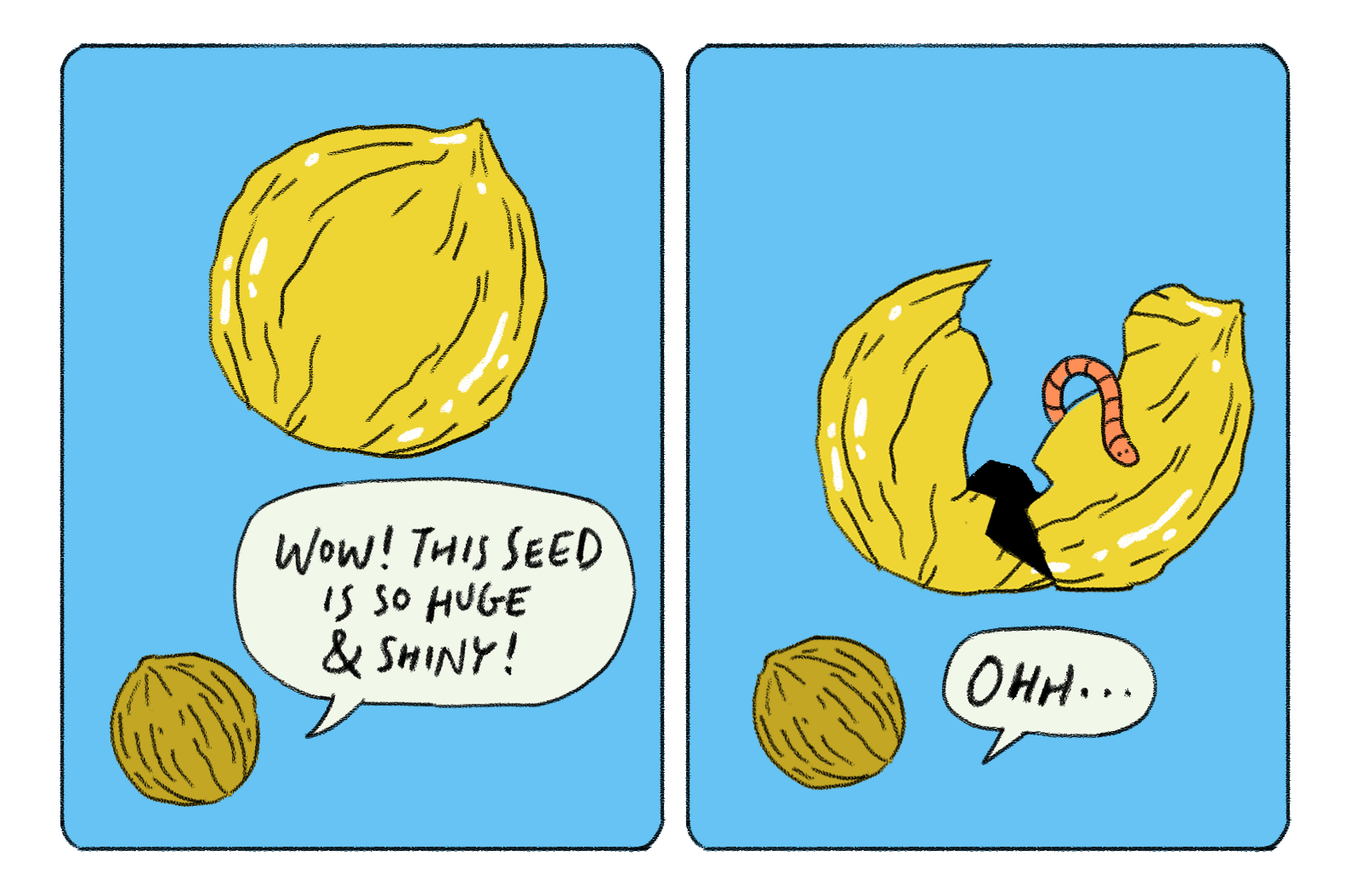
We can ask ourselves:
- When we serve in church, is it to glorify God and love His people – or simply out of FOMO as all our friends are serving?
- When we have our “quiet time”, is it to spend time with God or just to check a box?
Faith is not measured by the “Christian things” we do for God, whether that’s serving in church, leading Bible study or lifting our hands in worship. We need to remember God does not need anything from us (Acts 17:25).
While people may look at outward appearances, God looks at our hearts (1 Samuel 16:7). He doesn’t want our performance – He just wants us.
4. Transactional
Faith is not transactional. It is not a way to bargain with God because we cannot twist His arm into giving us what we want.
The verse John 14:13 – “I will do whatever you ask in my name” – is often misunderstood by its readers; God is not handing us a blank cheque for all our desires.
Instead, praying in His name means aligning our prayers with His character. It is about seeking to glorify Him, rather than just simply fulfilling our own wishes.
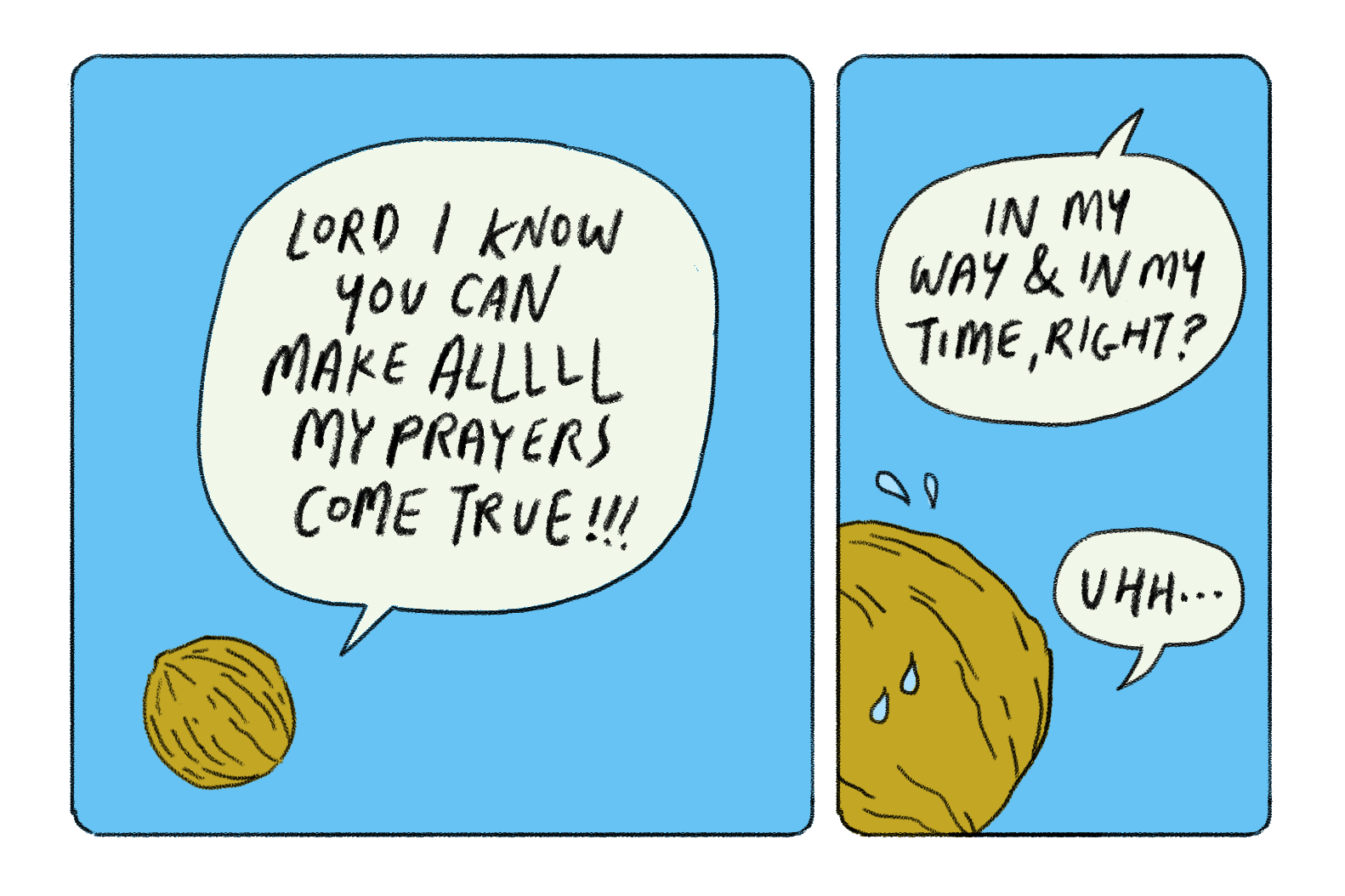
Of course, when prayers go unanswered – it’s only natural to feel disappointed.
But if we let disappointment fester into resentment, then we’ve lost sight of an essential truth – God doesn’t owe us anything.
And yet, He has already given us everything – mercy instead of judgment. Grace through Jesus’ death on the cross.
Faith, then, isn’t about how much we do or believe to “earn” God’s favour. From the start to the end, His love on the cross, and any additional breakthrough we experience are gifts – nothing we can ever earn or deserve, but products of His extravagant and unmerited grace.
5. A one-time event
Having faith is not a one-time event – it’s a lifelong journey. While we receive salvation the moment we put our faith in Jesus, the life of faith that follows must be continually nurtured.
It’s like planting a seed. Faith is sown in a single moment, but it grows through daily care. Surrender, trust and obedience are like the spiritual water and sunlight our soul needs.
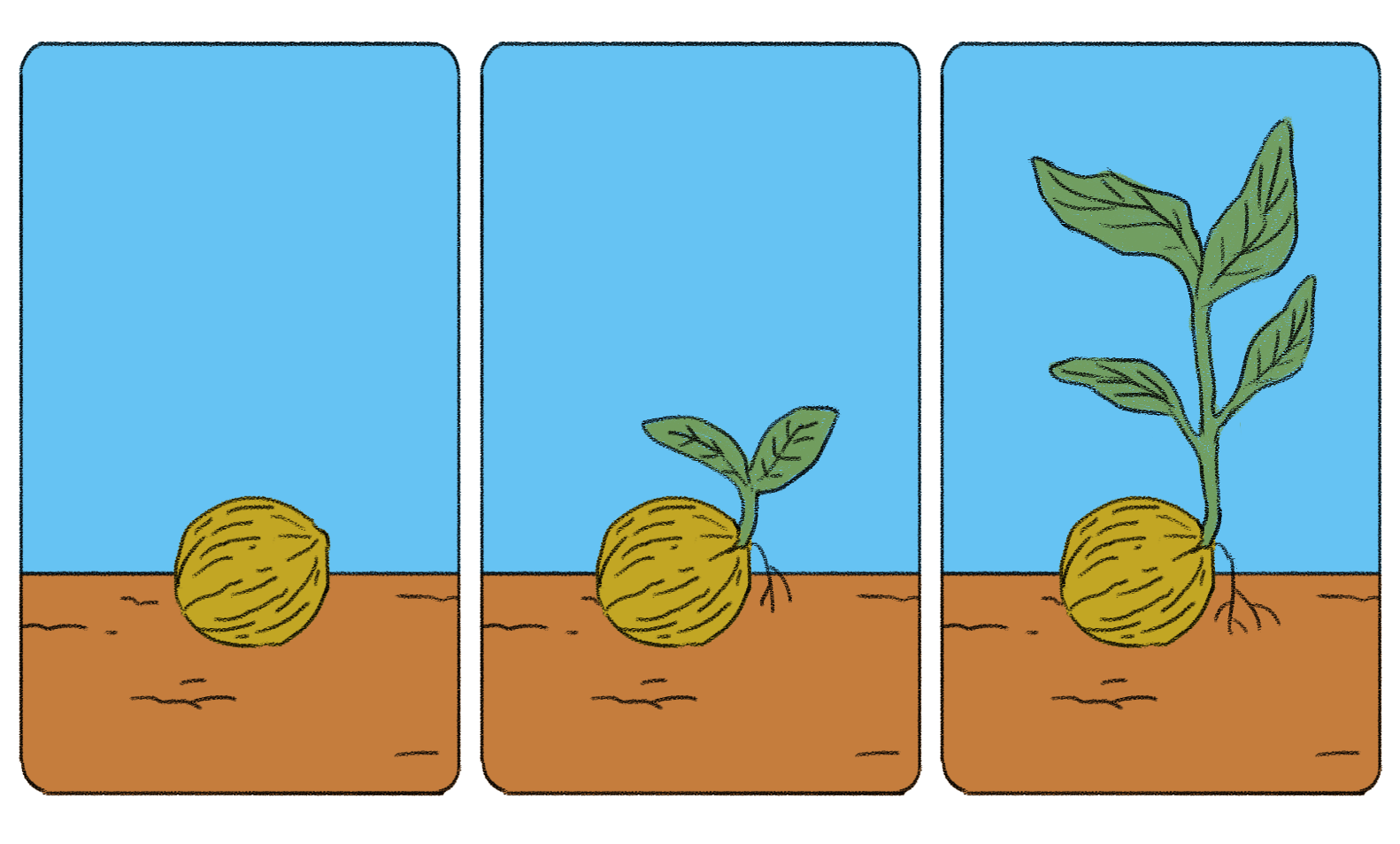
We may feel discouraged when our problems resurface or persist, we may even mistake our struggles as stemming from a lack of faith. But true faith is not marked by the absence of problems, instead it is often sharpened by problems.
In reality, these trials could be evidence that we are growing in our faith, and that our Gardener is simply pruning us so we can bear even more fruit (John 15:2).
Feelings fluctuate, but our faith remains steadfast when rooted in Christ. As Paul encouraged his protégé Timothy, we must “fight the good fight of faith” (1 Timothy 6:12) because real faith is not a moment, but a lifelong commitment.
Therefore, even when the path is difficult, let us put our faith in the One who is faithful (Hebrews 10:23), trusting that He is indeed faithful in all He does (Psalm 145:13).

- Which of these 5 points resonated most with you?
- Why?
- What is one thing you can do right now to move forward with a better understanding of how God wants you to have faith?