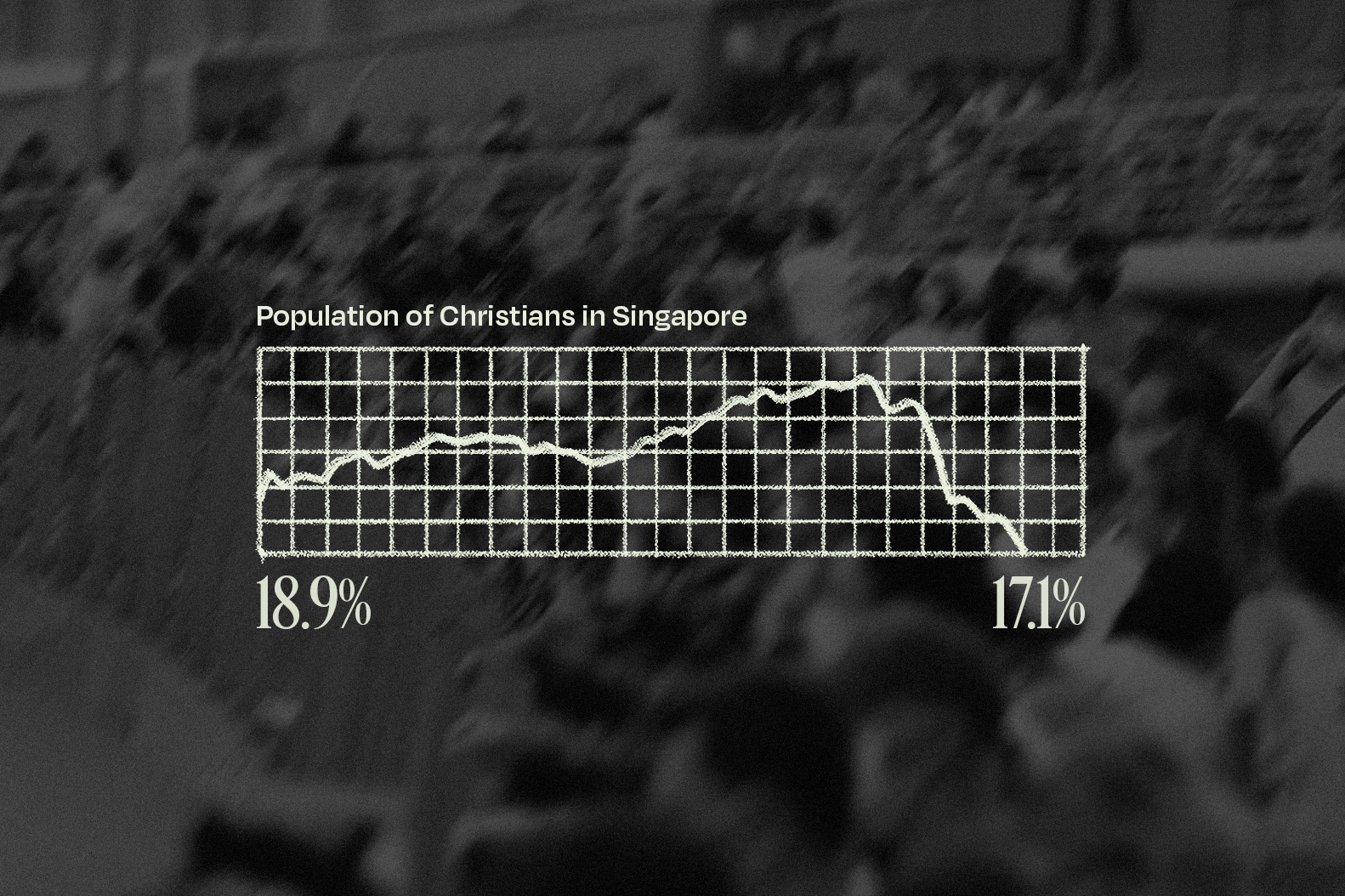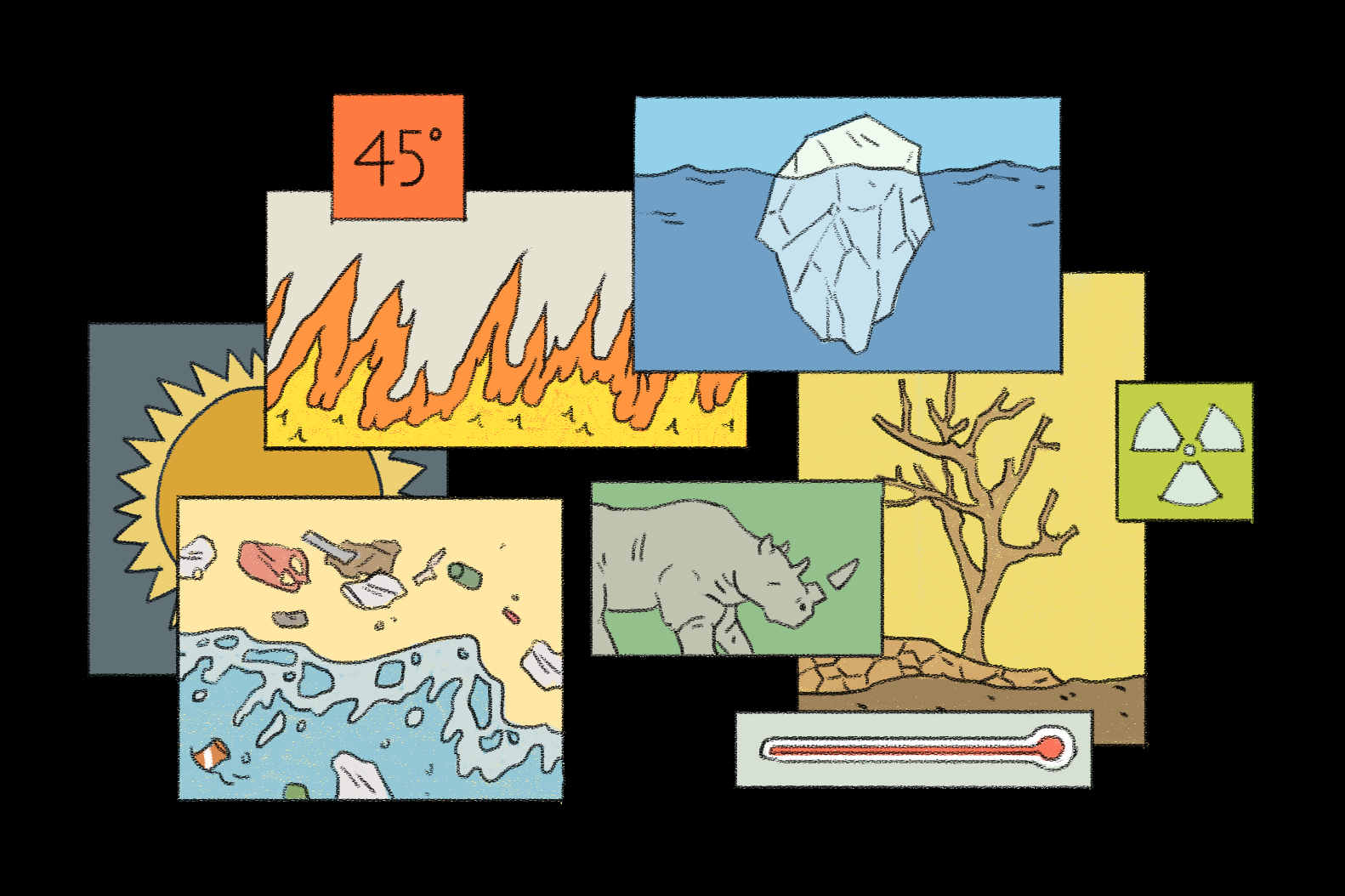
We don’t lack information about climate change. It’s on the news, in our school curricula, even on the disposable packaging we throw away.
Here in Singapore, the message has been loud and clear: our planet is in trouble — hotter days, stronger storms, rising sea levels. And yet… how often do we talk about this in church?
In many Christian circles, climate change is still seen as a side issue — a “nice to care about” topic, but not a Gospel issue. After all, aren’t spiritual things more important? Doesn’t the Bible say the earth will one day pass away? So why bother?
Creation care is not about being environmentally “woke” — but about being spiritually faithful.
Around the world, climate change is not just an environmental issue — it’s a justice issue. The poorest communities suffer the most, often without the resources to recover from floods, droughts or crop failures.
Even in Singapore, the impacts of environmental degradation would be felt unevenly across society. We need to recognise the injustice already happening.
As Christians, we must allow God’s compassion to be stronger than our desire for comfort. But how is God calling us to care?
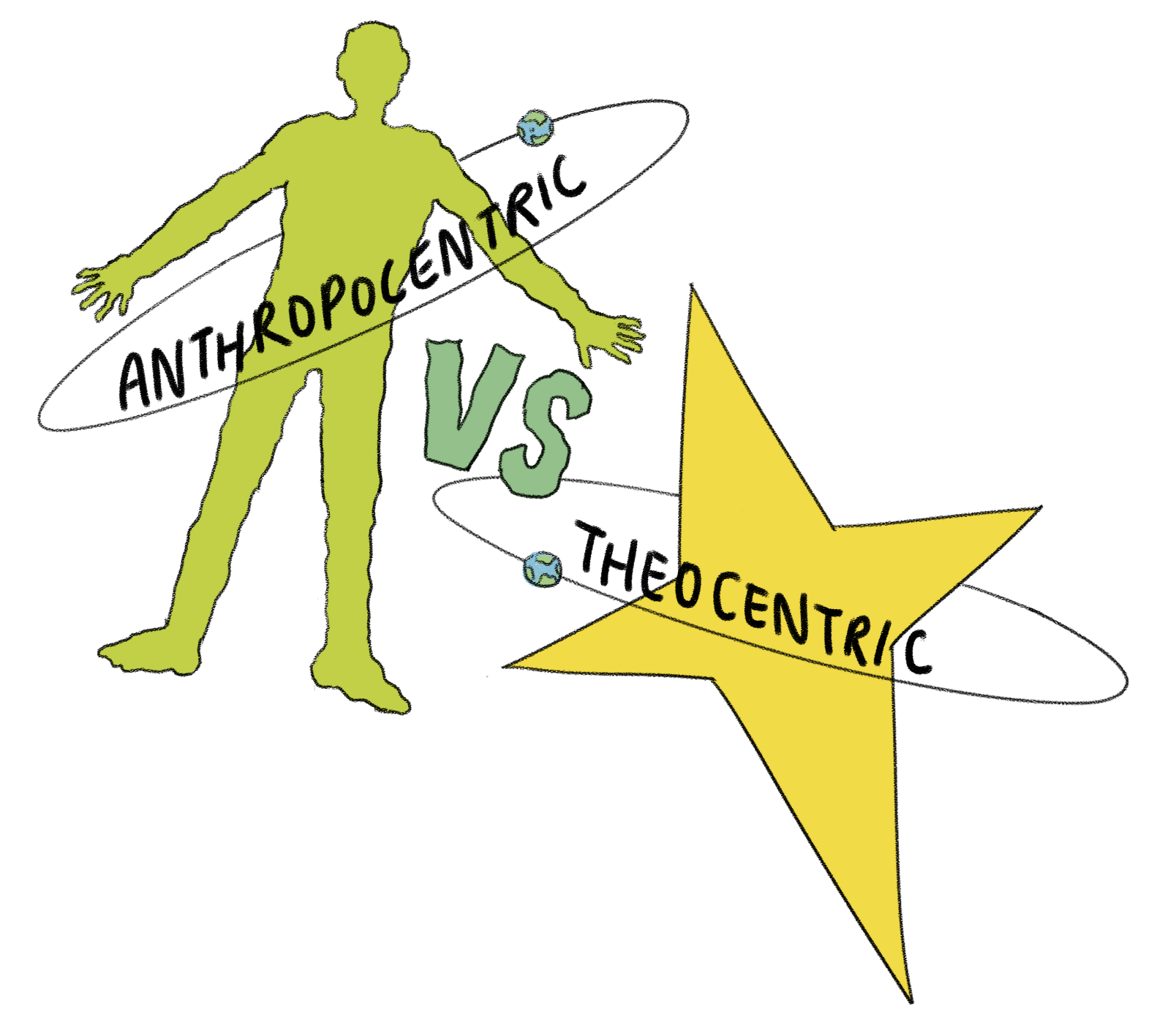
“Creation care” is about moving from an anthropocentric view (where everything revolves around human wants and needs) to a theocentric one (where everything revolves around God and His purposes).
Said simply, the world isn’t about us. It’s about God. When we think the earth exists solely to serve human comfort, we begin to justify pollution, overconsumption and exploitation — especially of the vulnerable.
Creation care also isn’t just about “saving the turtles” or swapping out plastic straws. It’s not a trendy secular add-on that Christians can borrow.
It’s much deeper, rooted in the very heart of discipleship. Like every call from Jesus, it invites us to deny ourselves, take up our cross, and follow Him.
Creation care is not about being environmentally “woke” — but about being spiritually faithful. In fact, creation care flows directly from the Gospel story itself: from creation, to the fall, to Christ’s redemption, and ultimately, the reconciliation of all things.
Creation Care and the Gospel: A quick run-down
1. Creation
In Genesis 1:26, God gives humans “dominion” over creation — but that doesn’t mean domination.
The original Hebrew word, radah, describes a king who rules by serving. Being made in God’s image means we’re meant to lead like Christ. Not with exploitation, but with humility and care, helping creation to flourish alongside us. We are stewards, not owners.
2. Fall
But sin breaks that order. When Adam and Eve disobeyed, the ground was cursed.
Throughout Scripture, we see how human rebellion leads not only to spiritual decay but environmental collapse. The fall didn’t just fracture people; it fractured creation too.
3. Redemption
The good news, as we learn in the New Testament, is that Jesus came not only to reconcile people to God but to restore all things. Colossians 1 tells us that God was “pleased… to reconcile to Himself all things, whether on earth or in heaven, making peace through the blood of the cross.”
Christ’s sacrifice goes far beyond the personal. Through His death, Jesus’ sacrificial blood cleanses not only sin but purifies a groaning creation.
4. Reconciliation
“If Jesus is Lord of all the earth, we cannot separate our relationship to Christ from how we act in relation to the earth.” (The Cape Town Commitment, Lausanne Movement)
This is just a brief overview — the theology of creation care runs far deeper and is woven throughout the entire biblical narrative.
If you’re curious to explore more, check out Creation Care and the Gospel by Our Father’s World and partners (this summary draws from their work). You’ll find it listed under the “Books” section.
That’s why creation care is not an extra curricular. It’s grounded in the Gospel message. As faithful stewards and witnesses, we offer others a glimpse of divine reconciliation — on earth as it is in heaven.
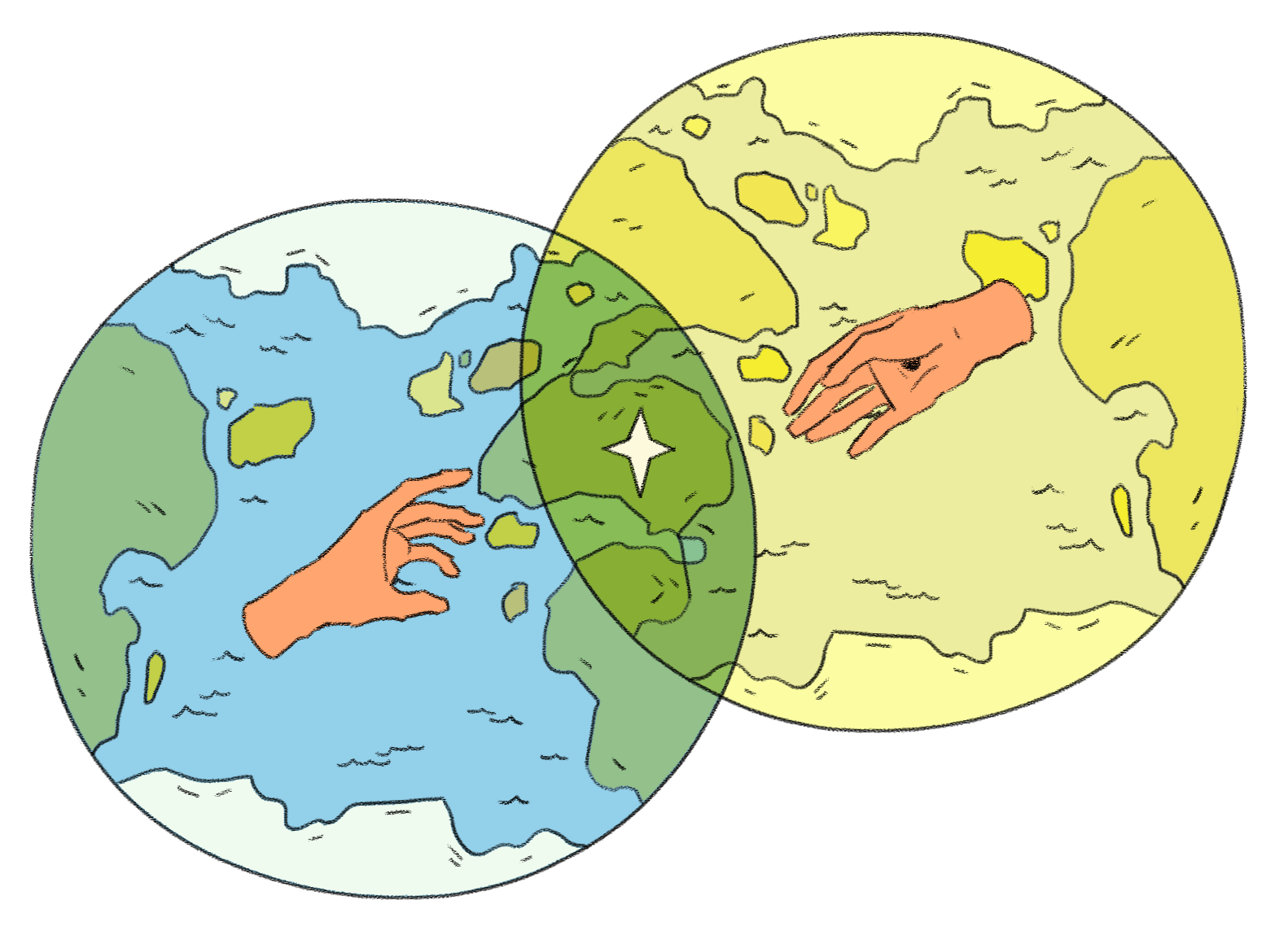
So, we need a shift. Most of us have grown up with an anthropocentric view of the world — where everything, including creation, exists for human use and comfort.
But Scripture offers a theocentric perspective: the world exists for God’s glory. We are not the centre. God is. And when we live from that truth, we begin to care not just for what benefits us — but for what honours Him.
3 ways to bear witness through creation care
“Faith without works is dead” (James 2:26)
If God calls His creation “very good,” then caring for it is not optional — it’s part of our witness. As stewards, we are entrusted with His handiwork. Not to exploit it, but to reflect His love and dominion in how we live.
In a place like Singapore, where convenience is king and efficiency is prized, it’s easy to ignore the hidden cost behind comfort — waste, overconsumption, and a growing disconnect from the world God made.
But creation care starts small. Here are three ways to honour God as stewards of His world — through our time, choices and justice.
1. Take time to wonder
Creation points us to the Creator. Whether it’s the more than 6,500 species in our Southern Islands or a quiet walk along the Rail Corridor, nature is a living testimony of God’s creativity.
Instead of doom-scrolling, take a detour. Go for a walk. Discover nature journaling. Join a contemplative walk by OFW. Learn to see again — and let that seeing stir worship.
2. Choose what honours God
We live in a culture of easy buying and endless options. Soon, our habits shape our hearts. Excessive consumerism numbs ourselves spiritually, replacing God with instant gratification.
That’s not to say buying something is always wrong. But every purchase is a moment to pause and ask: Is this a need or a want? Could this money be used to bless someone else?
Is there a less wasteful option I could choose instead? These may seem like small decisions — skipping a coffee, bringing your own container, giving something away instead of adding more to your shelves.
But they’re not just lifestyle tweaks. They’re spiritual disciplines. Acts of simplicity and generosity that slowly shape us to love God more and live with others in mind.
3. Stand for environmental justice
Creation care reflects the command to “love your neighbour as yourself” (Matthew 22:39).
Climate change affects us unequally — and those least responsible often suffer the most. In Southeast Asia and beyond, families lose homes to floods, livelihoods to drought, and health to pollution.
To bear Christian witness includes paying attention to these injustices. Pray for frontline communities. Support relief efforts. Raise awareness. If you’re going on a mission trip — consider how you can bless not just people, but the places they live in.
Environmental justice is Kingdom work, too. When we care for the world God has made, we show the watching world what it means to live out the Gospel in tangible ways.
Want to go deeper? Join like-minded believers at the Creation Care Conference 2025 (CCC25) on 12–13 September in Singapore.
Hosted by Faith Methodist Church and Queenstown Chinese Methodist Church, this year’s theme, “On Earth As It Is In Heaven,” invites us to be part of God’s redemptive work in creation. Don’t miss it — get your tickets now!

- What spoke to you through this article?
- What is one thing you can do right now when it comes to stewardship and creation care?