In March 2014, over 10,000 people attended Celebration of Hope in Fukuoka with Will Graham.
Organised by the Billy Graham Evangelistic Association and led by Will Graham, grandson of the late Billy Graham, the evangelistic event saw approximately 570 decisions made for Christ. It also brought together hundreds of local churches in collaboration like never before.
On the steering committee back then was Pastor Paul Yokota. A ministry veteran for the past 21 years, he is the Senior Pastor of Aburayama Shalom Church and the president of the Kyushu Christ Disaster Relief Centre.
That year, God had given Pastor Paul a vision – just like the one in Ezekiel 37.
“There were a lot of dry bones, and there was no hope. But God spoke, and the dry bones started to gather and be connected. Then the Holy Spirit came, and I saw the whole body begin to revive.”
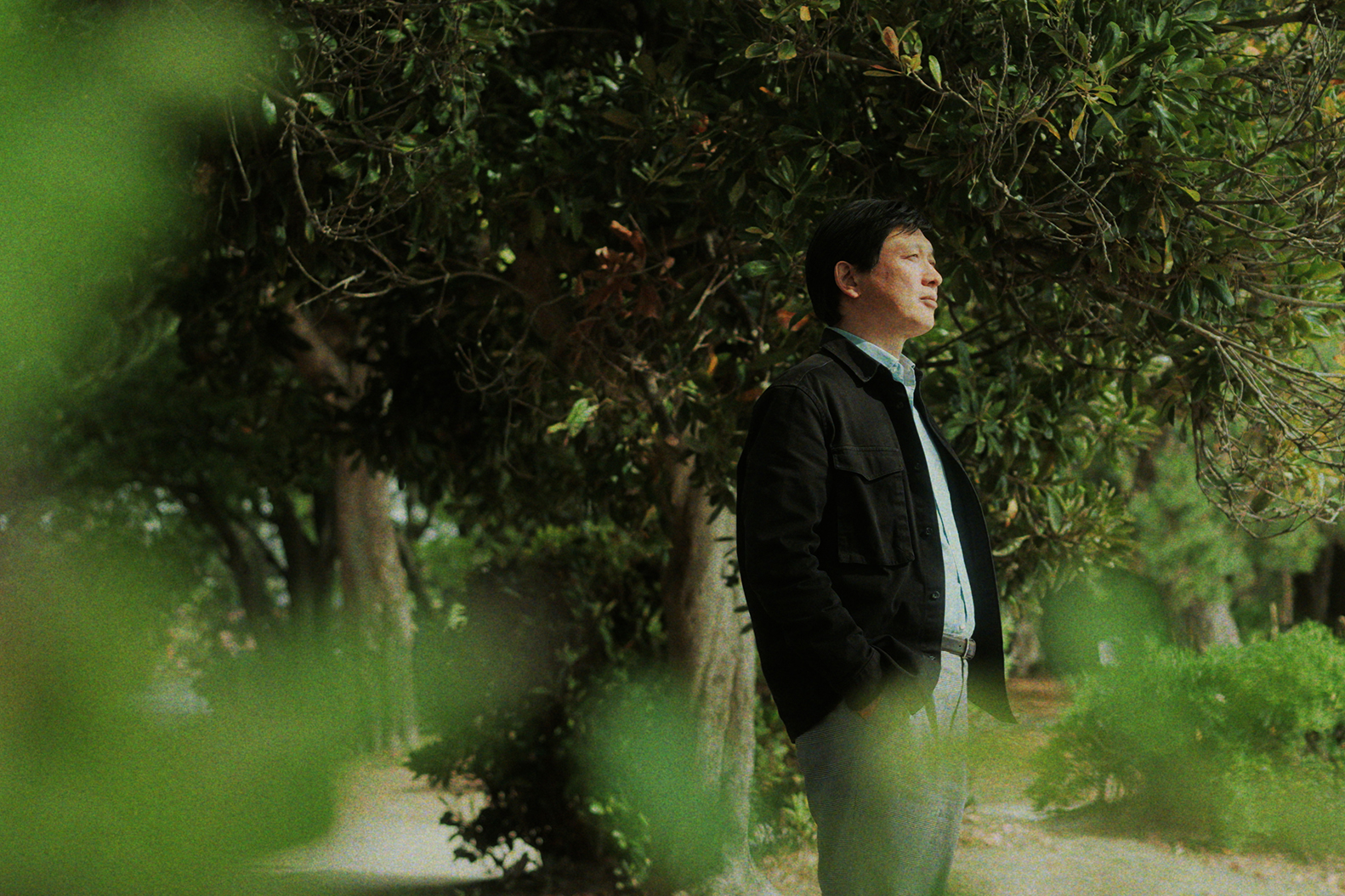
As part of the steering committee for the crusade, Pastor Paul had to pay visits to many churches in the region to get their buy-in and support for the event. It was then that he saw, for the first time, the many small and struggling churches on the offshore islands and in the countryside.
He felt something stir within his heart and was reminded of the vision he received. Revival could only come when churches big and small come together to be united as one.
“It is not okay for just me and for my church to grow. I wanted to serve others too. We need to thrive and grow together.”
“Thank you, Mr Christ”
Two years later, the 2016 Kumamoto earthquakes struck. It was the deadliest series of earthquakes in Japan since the 2011 Tōhoku earthquake and tsunami, killing 277 people and leaving another 2,809 injured. 180,000 people were displaced as a result of more than 20,000 homes damaged.
“At that time, my friend and I decided that we needed to help others together and bring the love of Christ to them.”
The Kyushu Christ Disaster Relief Centre was established in April 2016 by Pastor Paul and Pastor Yoji Nakamura in order to serve the affected local communities and churches.
“After the earthquake happened, there were a lot of people suffering. They were hopeless, but we were there to be with them.”
Spearheaded by volunteers from over 100 churches in that region of Japan, they provided the affected locals with hot meals, helped to clean out debris from houses and ran programmes to lift up the spirits of those displaced in the shelters. Today, the centre’s work has also expanded to disaster preparedness training, as well as emotional wellbeing workshops and counselling for children and families affected by disasters.
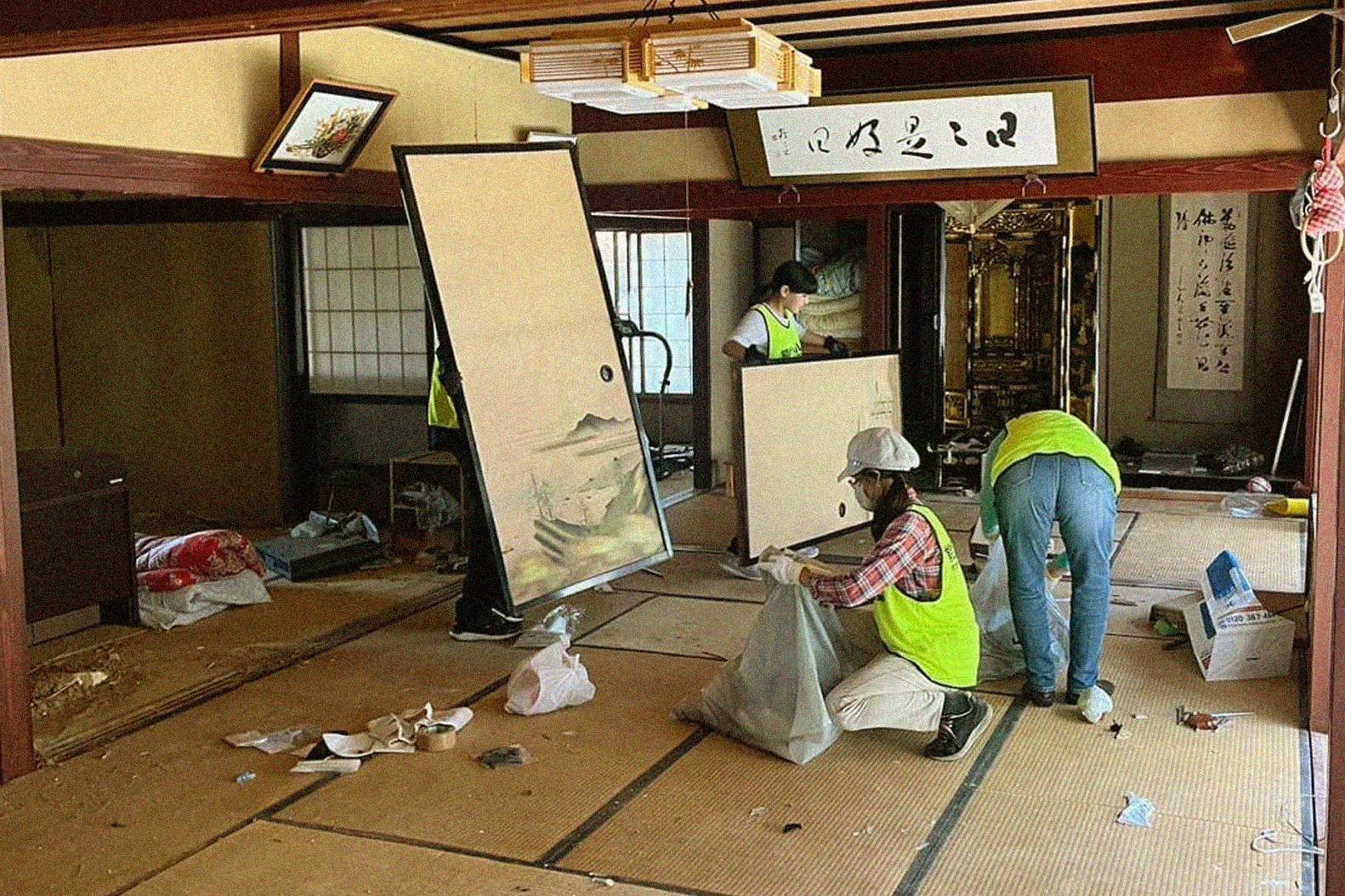
It was through the silent but faithful work of the volunteers that a peculiar phenomenon started happening.
“People started trusting us – and they began to call us ‘Mr Christ’ or ‘Mrs Christ’.”
Due to the sheer volume of laborious work that is required, the large number of volunteers often come and go namelessly. But the locals knew that they were from the churches and believe in Christ, so they began to give them these nicknames.
“We were very grateful and touched that people could see that we are the Body of Christ. These people did not know God and they’ve never been to a church. But in a way, we represented Christ to them. Through the work that we do, they could see Christ through us.”
One Christmas cake, one life changed forever
While disaster relief work is often thought to only bring immediate impact and interactions are often fleeting, one incident stuck with Pastor Paul deeply. About six years after the earthquake, a high school girl showed up at Pastor Yoji’s church in Kumamoto.
When Pastor Yoji spoke to her and asked her where she was from, the girl shared that she lived in Mashiki, which happened to be the centre of the disaster area during the 2016 earthquake. As it turns out, Pastor Yoji’s volunteers had distributed Christmas cakes to the displaced in Mashiki that year, and the girl was one of the grateful recipients.
In Japan, it is a long-held tradition to have cake for Christmas. “I was so happy when I got the Christmas cake in the temporary shelter, and it stuck with me for a long, long time,” the girl shared.
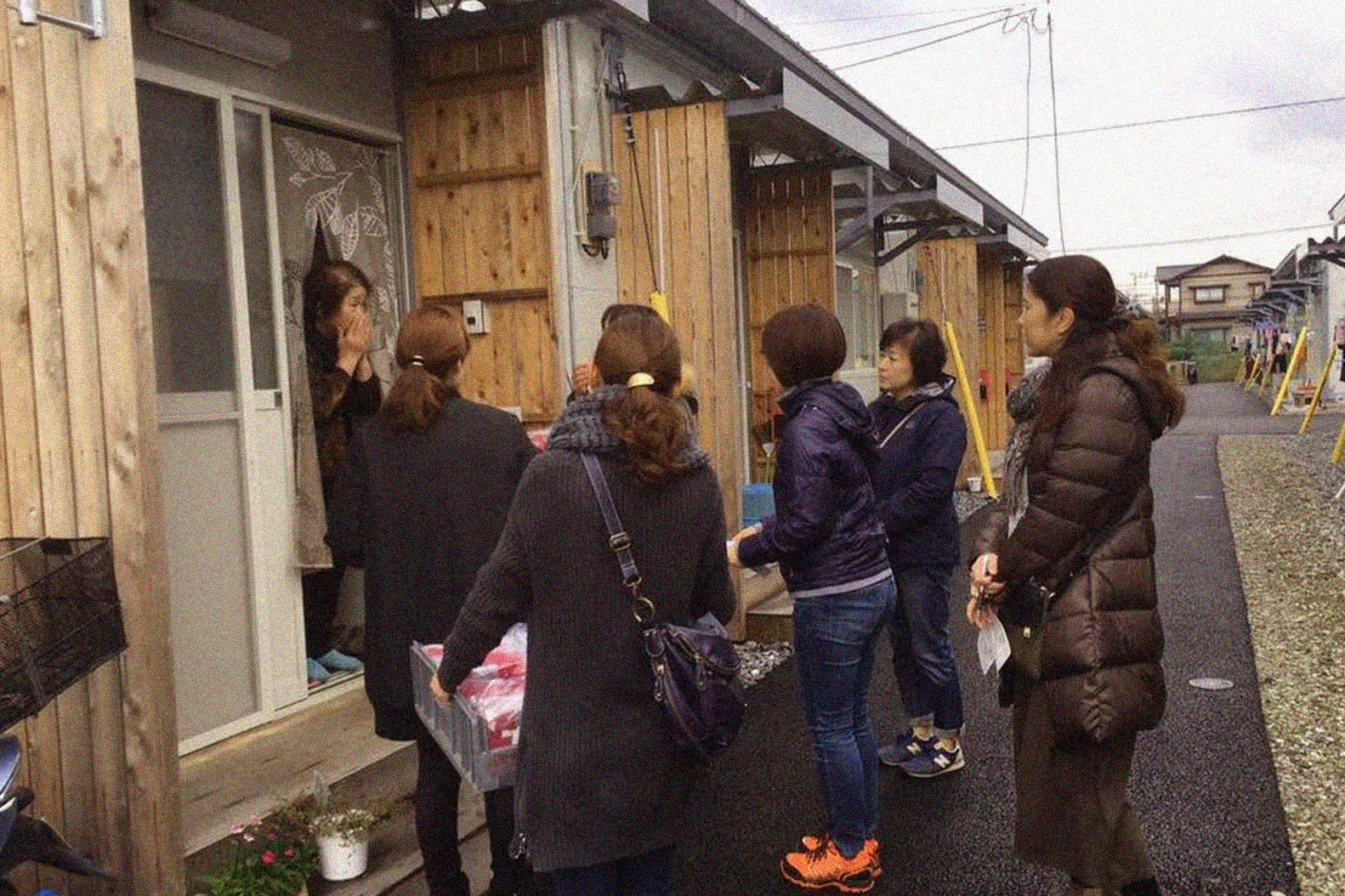
The love she had felt from just a cake during Christmas made her curious about God. She managed to locate Pastor Yoji’s church after leaving the shelter, and ended up returning week after week.
“Last year, she finally received Jesus into her life and got baptised. How beautiful is that?”
Keep trying even if you keep failing
Please do fail. This was a piece of advice given to Pastor Paul as he was attempting surfing for the first time in Miyazaki, also known as the surf capital of Japan.
He shared that there is a pervasive belief in Japanese culture that success is supreme, and that failure is something to be ashamed of and to be avoided. This has in turn affected how the locals do church and evangelism.
“We are so afraid of failure that we don’t even try,” shared Pastor Paul. “And unfortunately this same mindset applies to how we approach the Gospel and our faith.”
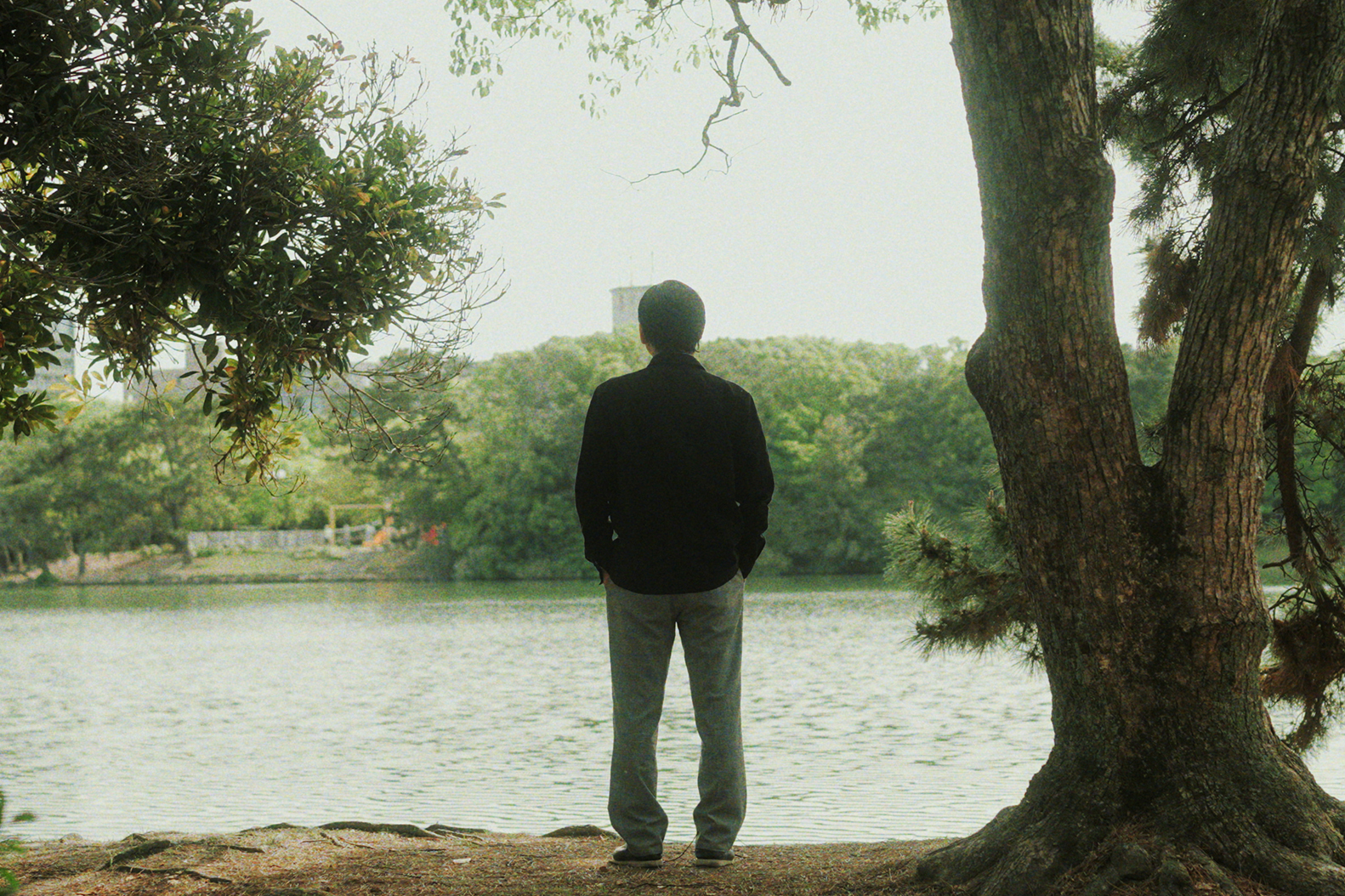
Pastor Paul likened riding the waves of the ocean on a surfboard to riding the waves of life. “You have very little control over the circumstances around you, and all you have while out at sea are the waves,” he said. “You have to keep riding the waves and keep failing at it in order to get better.”
To Pastor Paul, failure is part of the process. The decades of ministry work in his church and in disaster relief work have been challenging, but he is not discouraged.
“For us Christians, it’s always waves of grace that we’re riding on. We need to remember that our Gospel is a Gospel of resurrection. We can keep failing, but we should always keep trying.”
This courageous embracing of failure is what spurs Pastor Paul on in his ministry. “We are so grateful,” he affirmed. “We praise God. Even in the midst of disasters, God is still doing many beautiful things in our country.”