I would like to start with a disclaimer that I am not neurodivergent, but am writing this from the perspective of an allied health professional who works very frequently with neurodivergent people.
I hope this serves as a starting point for neurodiversity to be spoken more about in church, and for the neurodivergent community to feel comfortable speaking about how the church can better serve them.
What is being neurodivergent?
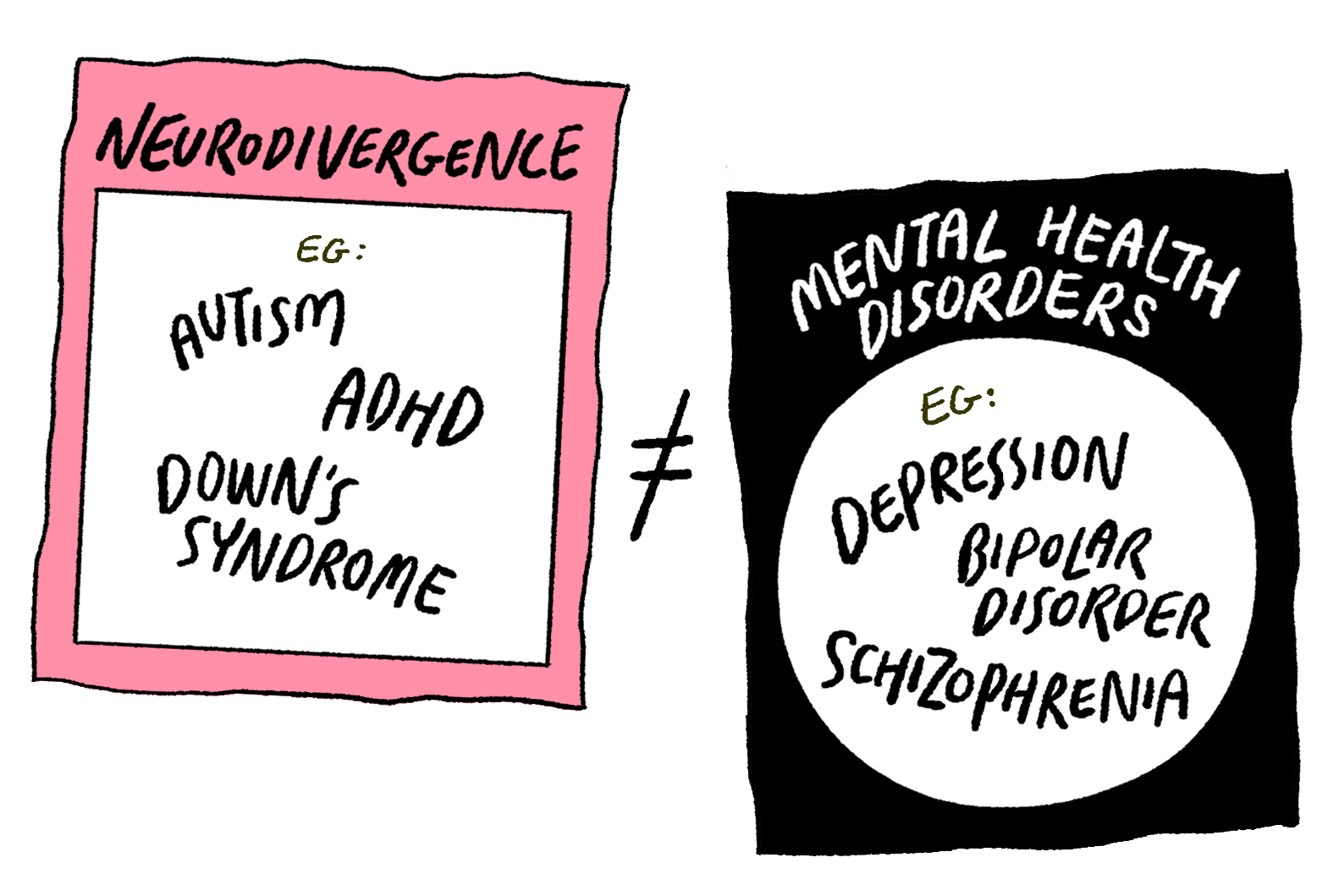
Neurodivergent refers to individuals whose brains process information in different ways, which affect their thinking and behaviour. Examples of these include individuals with autism, attention deficit hyperactivity disorder (ADHD) or Down syndrome.
It is important to note that being neurodivergent is not always the same as having mental health disorders like bipolar disorder and depression, for example.
Firstly, an individual who is neurodivergent would have been born that way – it is not something that they can develop later on in life. This is unlike mental health disorders, which can affect anyone and begin at any time.
Secondly, a neurodivergent individual should not be seen as needing a cure, but rather simply as someone who needs to be approached and to approach things in different manners.
Stereotypical perspectives
Neurodivergent people are often overlooked in society, and the church is not exempt from this.
When we think of someone that is neurodivergent, we might subconsciously make stereotypical assumptions that may be untrue. We might assume that they learn slowly, are disruptive, or make us and other neurotypical individuals uncomfortable.
These assumptions can be both harmful and hurtful.
According to a report titled “Neurodiversity and the Workplace in Singapore: Unlocking Potential”, up to 51% of neurodivergent respondents have not disclosed their neurodivergence to their employers for fear of being treated differently or even discriminated against.
What about the church? Galatians 3:38 states that “There is neither Jew nor Greek, there is neither slave nor free, there is neither male nor female; for you are all one in Jesus Christ”.
I believe this applies to our attitudes towards neurotypical and neurodivergent individuals as well – all are welcome and loved, for we are all one in Christ.
What makes it difficult
Most of the time, difficulties faced by neurodivergent individuals come from the fact that society has deemed certain behaviours to be “normal”, which are standards that neurodivergent individuals might not conform to.
For example, we view eye-contact during a conversation as polite, but this might be something that a neurodivergent individual struggles to do.
Or we might classify certain behaviours like stimming as disruptive, without understanding that this helps a neurodivergent individual regulate themselves.

What this means is that many of these difficulties neurodivergent individuals face are actually imposed by us, the neurotypicals.
By being the majority, it is easy for us to assume that our way of thinking and living is the right way, and expect the minority to adapt accordingly.
… many of these difficulties neurodivergent individuals face are actually imposed by us, the neurotypicals.
However, we can shift our thinking and realise that there often is no one right or wrong way to behave.
When we change this mindset, we are supporting our neurodivergent friends in removing the expectation that they need to conform to what we deem as appropriate behaviours.
Supporting our neurodivergent friends
With that being said, how can we best support the neurodiverse individuals amongst us? The simple answer is – ask them!
To know one neurodivergent individual is to only know that one, as each person is uniquely made by God with their own strengths and challenges. If they are unsure or unable to tell you, consider asking their families or friends (with their consent!).
Neurodivergence is a big umbrella, and an autistic individual might need very different supports from an individual with ADHD. However, here are 4 things to consider that might be helpful:
Environmental factors. Many neurodivergent individuals have different sensory needs to us, which might make them more sensitive to the environment. This means that things like noise or lighting can affect how comfortable they feel.
Some adaptations might include having cell group in a place with adjustable lighting, having quieter worship, or having a designated area in church where lighting and noise are mitigated.
Mode of communication. Having other modes of communication to support verbal communication can help neurodivergent individuals engage and learn better. This might include pictures, videos, or handouts.
We often see these being used in sermons, but perhaps we can increase and extend their use to Bible studies or cell group as well.

Talk about neurodiversity. Our neurodiverse friends might feel like they are out of place or afraid to speak out about their neurodiversity and what supports they need.
One easy way to help in this area is simply to talk about neurodiversity and avoid making it a taboo subject. This will foster an environment where being neurodiverse is not strange, and each church member will be equipped with different ways to support their neurodivergent friends right from the get-go.
Ask them. As mentioned, the most important thing to do is to simply ask our neurodivergent friends how we can best support them! They would know best what they need, and all we need to do is listen and cater to them as best as we can.
Unity in Christ
Ultimately, we know that each individual is beautifully and wonderfully made by God (Psalm 139:14) with different strengths and gifts (Romans 12:6).
Let us approach our neurodiverse friends with compassion, love and curiosity, never thinking of them as any less. As we strive for unity as one Body, we must ensure that nobody feels like they are outsiders because they might be different.
As neurotypicals, let us approach our neurodiverse friends with gentle curiosity and a willingness to learn about them and accommodate them.
To the neurodivergent community, we are sorry for the times when you have felt alone and unsupported because we did not understand.
I hope that as we learn to navigate this together as a church, we will grow in love for one another and appreciate the different ways that God has made us.