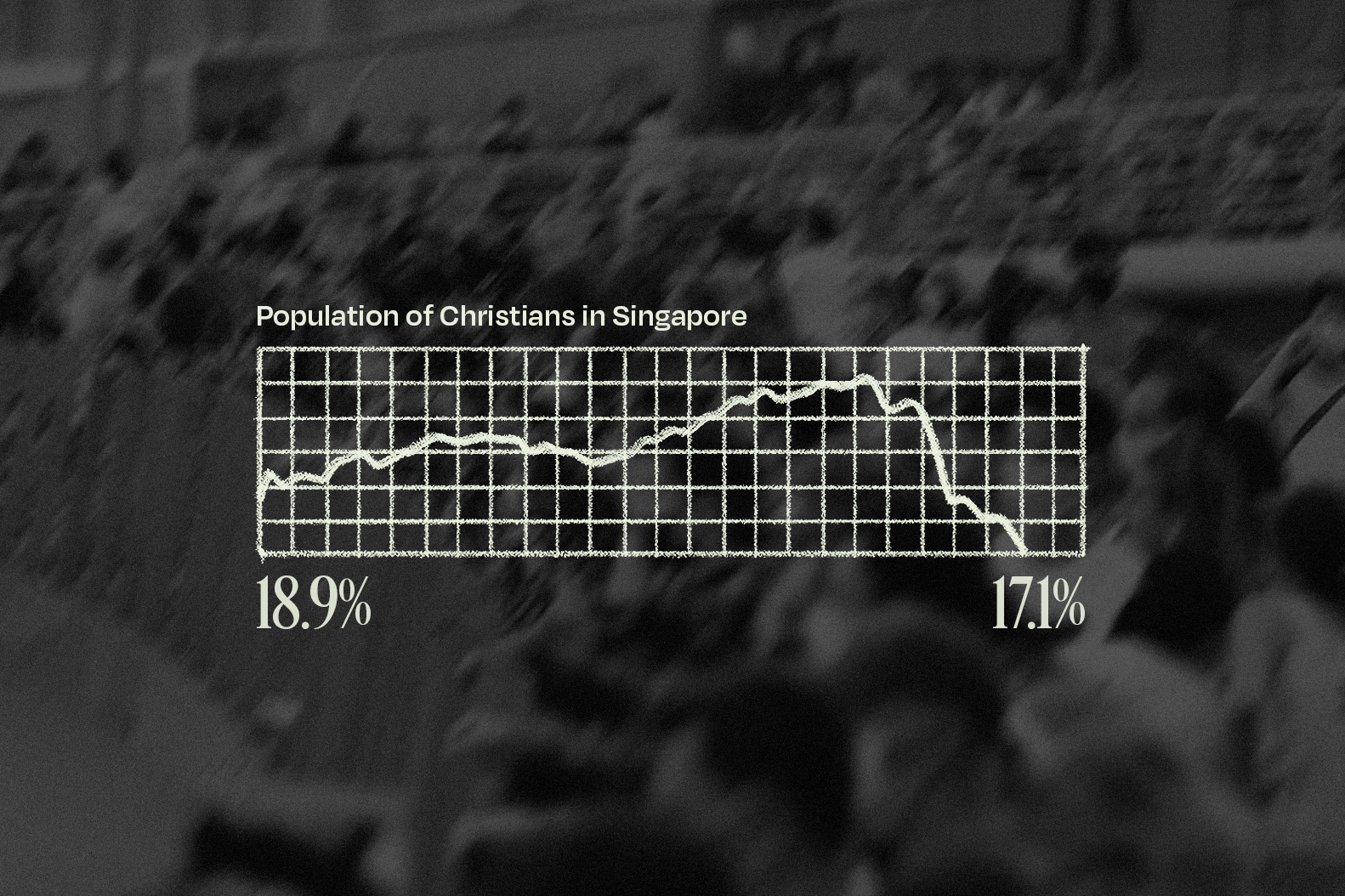
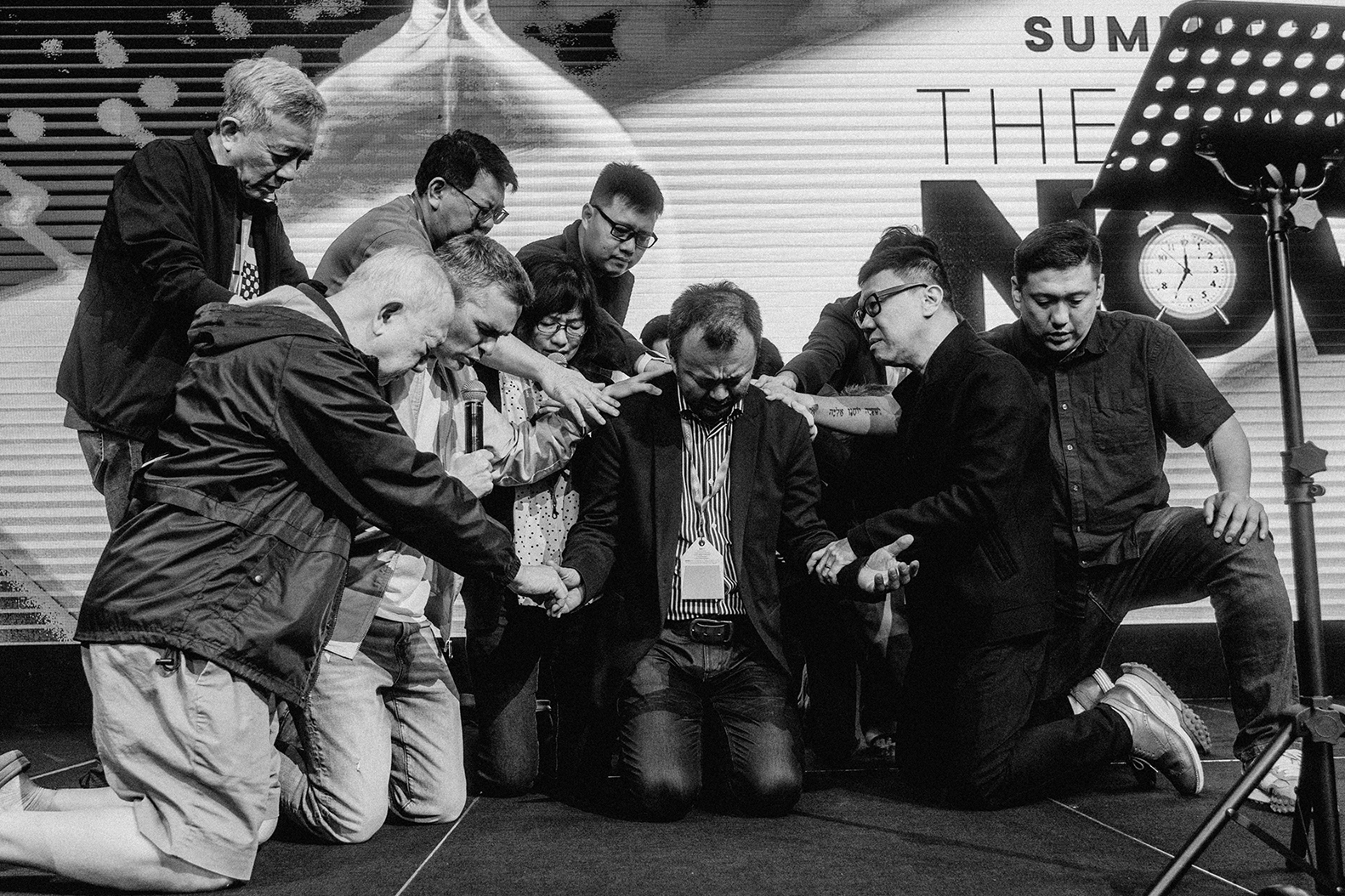
It was January 2023. A room full of pastors, leaders and ministry workers were gathered at the LoveSingapore Summit, when a Japanese pastor took to the stage with his interpreter.
He knelt down and made an impassioned plea to the Singaporean pastors. “Please do not forget Japan,” he cried. It was a modern-day Macedonian call and there was not a single dry eye in the room.

Fast forward two years later, and the Thir.st team were on board a Shinkansen bound for Kumamoto to meet the man himself, Pastor YOJI NAKAMURA, who has been leading Harvest Church Kumamoto (HKC) since 2002.
Before relocating to Kumamoto for HKC, however, Pastor Yoji was a youth pastor in Fukuoka where he developed a passion for young people after seeing the need for transformation in their lives.
This need for hope is something he knows all too well, since he grew up as a teenager who had no expectations or direction in life.
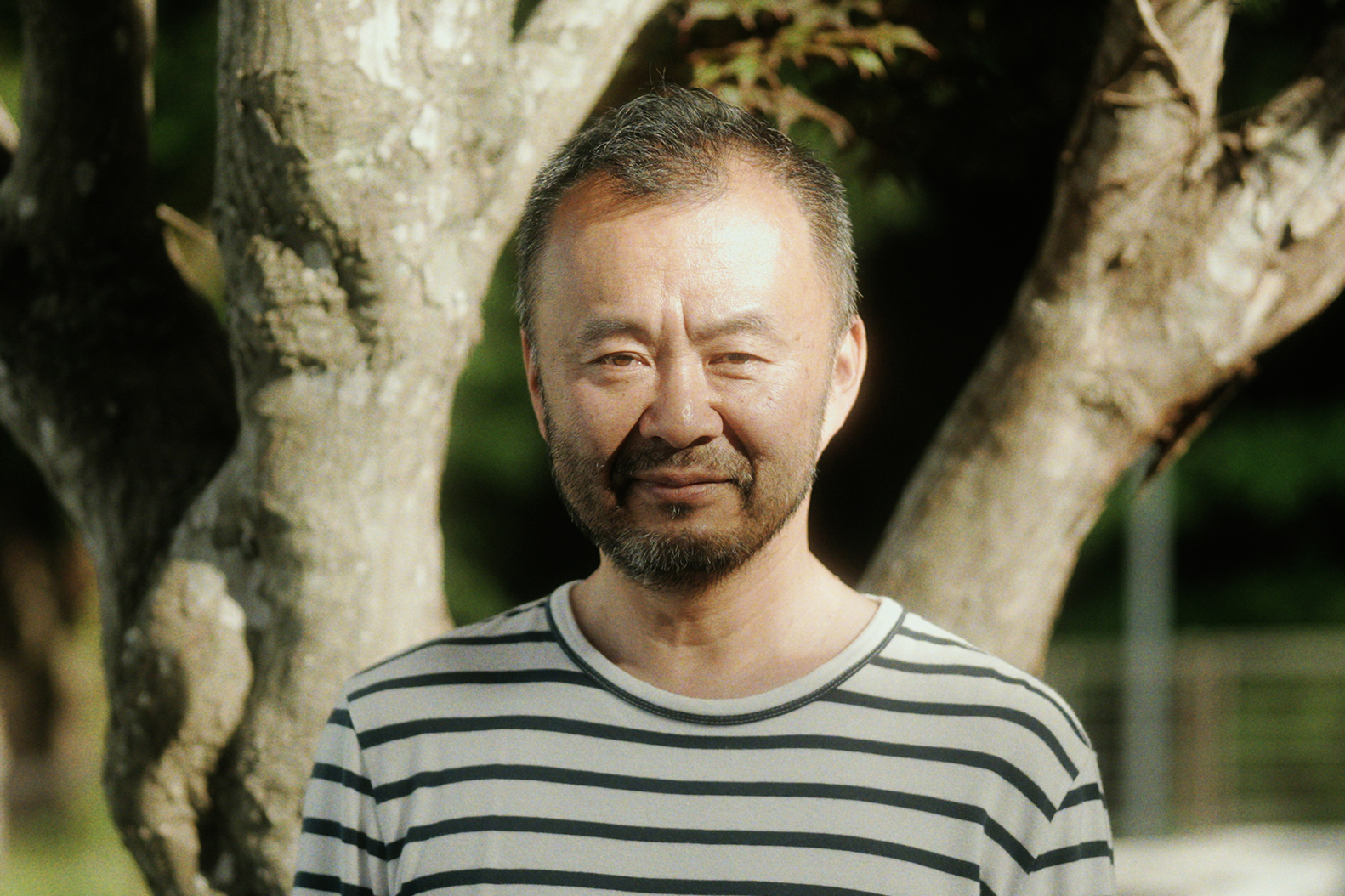
Born into an ordinary non-Christian home, Pastor Yoji lost his mother to cancer when he was 10. Two years later, his father’s construction company folded and his only remaining parent ran away in the middle of the night with another woman.
A pre-teen Pastor Yoji inherited the debt as a result, along with four younger siblings to care for. He came to see life as hopeless and purposeless, and began hanging out with his friends and seniors every night, riding motorbikes until the morning came.
The best things in life are free
One morning, after he was out drinking the whole night with his friends, a 12-year-old Pastor Yoji lost his house keys and was wandering around town when he was approached by a man.
“There was a Christian meeting at a café near us and he asked if I wanted to come. I had no interest in Christianity or the Bible, but I thought it would be good if I could get a free coffee. So I went to that café and that was when I first heard the Gospel.”
It was through this chance encounter and hospitality that Pastor Yoji came to receive Jesus as his Lord and Saviour. Perhaps this is why hospitality is so ingrained in Pastor Yoji’s character.
Halfway through our interview, he noticed that an elderly man passing by stumbled and fell on the road.
Without any hesitation, he immediately ran towards him and ushered him into the front porch of his church and administered first aid to the elderly man.
He was apologetic about leaving us waiting, but taking care of someone in urgent need was rightfully more important to him.

“I remember it well,” said Pastor Yoji as he came back to continue his story of how he first encountered God. “I was 12 and the world I saw had suddenly changed, and something spiritual had transformed me. I felt an assurance and a strange joy came over me.”
Despite receiving Christ into his life, however, Pastor Yoji’s circumstances did not change overnight. There were still bills to be paid and mouths to be fed.
He had to take on odd jobs to pay for his school fees, and ended up enjoying the camaraderie at one workplace so much that he eventually ended up leaving the church.
“I tried to forget about God, but I couldn’t forget about Him.”
At 16, he had slipped back into a life of drunkenness once again. He was sleeping in a park one night after becoming blackout drunk — when he woke up to sounds of singing.
“There wasn’t a church nearby, but I really heard sounds of praise and I woke up. I was reminded of how much Jesus loves me and I just couldn’t stop crying.”

That miraculous encounter was how Pastor Yoji found himself back in church once again. The message preached at the church service he attended that day was about Peter denying Jesus thrice.
“As I listened to the sermon, I couldn’t stop crying. I felt God ask me if I loved Him, and Him telling me to feed His sheep. So I made a dedication to commit myself to God.”
Do not forget the hikikomori
In a 2024 government survey, almost 40% of Japanese indicated that they felt lonely, a figure that has been largely unchanged since the COVID-19 pandemic.
A law was enacted that same year to prevent loneliness and isolation – positioning these as societal issues and calling on local governments to make efforts to offer support for the lonely.
Since the late 1980s, the concept of hikikomori has been prevalent in Japanese society. It is a form of severe social withdrawal seen in reclusive adolescents and young adults who confine themselves at home, and are unable to work or go to school for months or even years.
“Young people in Japan are struggling to find a purpose for their lives,” said Pastor Yoji. “Even if you can understand God intellectually, it is really difficult to live a Christian life without experiencing God personally.”
This is why Pastor Yoji is fully convinced that churches need to invest efforts into their youth and young adult ministries to reach out to the young people of Japan.
“There are about 8,000 Protestant churches in Japan but they are all ageing. Most of our young people are gone from the churches and many churches have no pastor,” said Pastor Yoji, who also currently co-leads the Kyushu Christ Disaster Relief Centre with Pastor Paul Yokota.
Since 2017, Pastor Yoji, along with several other pastors, set up an evangelistic network in Kumamoto involving some 20 churches in Kumamoto, to collaborate on future outreaches and consolidate relief aid.
“Before the Kumamoto earthquakes, there was no collaboration between the churches in Kumamoto. But now we gather monthly to pray,” he said.
It is Pastor Yoji’s earnest prayer that God will revive these churches once again.
The konbini church model
In Japan, convenience stores, or konbini, are a whole ecosystem of precision-engineered hubs of efficiency.
“Did you know that their locations are not random? Everything is carefully and strategically planned,” Pastor Yoji shared.
“The convenience store has become an integral part of Japanese life. What if the Church was also made accessible like that?”
With over 55,000 stores blanketing the entire country, locations of convenience stores are chosen in a way that every Japanese will have access to a convenience store within a walking distance of about 500 metres.
“The convenience store has become an integral part of Japanese life. What if the Church was also made accessible like that?”
Pastor Yoji’s bold dream is to eventually see Japan populated with churches – 50,000 of them, in fact. But to see this become a reality, he acknowledged that the work cannot be done alone, especially with the small Christian population in Japan.
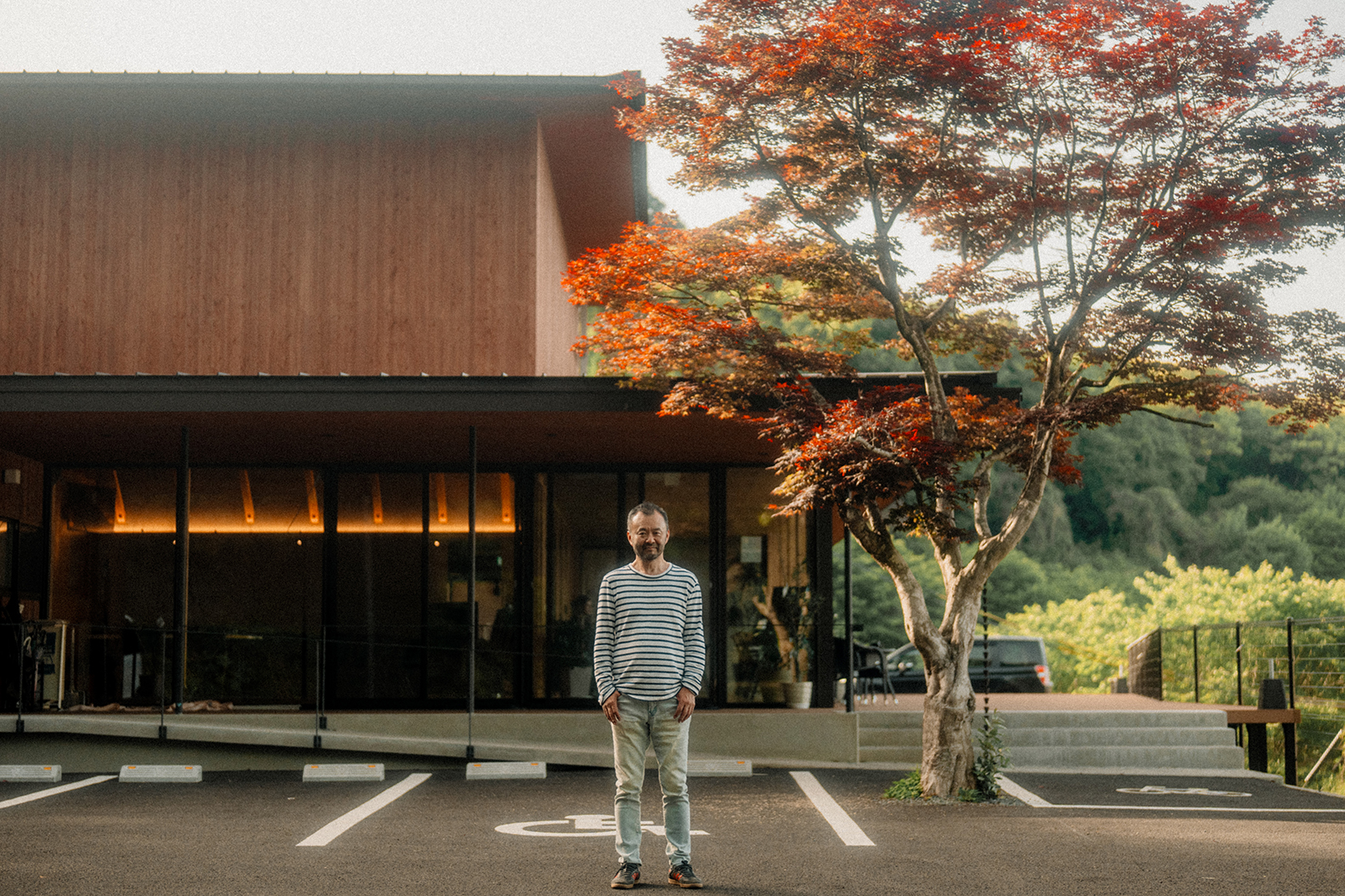
For years, Pastor Yoji has worked closely with LoveSingapore in hopes to help disciple and grow the Japanese churches. And as he shared with us his affection for Singapore, tears began to well up in his eyes.
“Almost every year, I would go to Singapore. There is a memorial to remember the victims… from when the Japanese massacred Singaporeans during World War II,” he said solemnly, taking a pause before continuing.
He explained that certain textbooks used in local schools are inaccurate in describing Japan’s actions during World War II. As a result, most of the young people in Japan today don’t actually have all the facts about Japan’s actions in the war.
“Every time I see the memorial, it really touches my mind how you Singaporeans put aside that pain, forgave the Japanese and are now evangelising to us. I am deeply moved by it and I am so thankful,” said Pastor Yoji.

There was not a single dry eye in the room as Pastor Yoji shared that with us.
Our interpreter with us for the day was a close friend of Pastor Yoji – Pastor Robert Kaylor, an American who grew up in post-war Japan. The two friends looked at each other with tears in their eyes, sharing a long meaningful pause.
We were all from three different countries afflicted differently by the war, but were now united as one in the purpose of the Gospel.
“Please come and encourage the Japanese churches,” urged Pastor Yoji. “Let’s pioneer churches together from the north to the south, from Hokkaido to Okinawa, not just in the urban areas.”
You can make a difference for the Gospel in Japan. For more information on LoveJapan, please contact: [email protected]