My impression of my relationship with my family? We used to be very close.
When I looked back at the photos, I know that we shared a lot of good memories, and I used to feel very safe around them.
But everything began to change when I was around eight, when my dad started to sleep separately from my mum. He moved into our room and slept with us.
And I started wondering, Why? There’s so much space in the house. Why do you want to sleep with me and my brother?
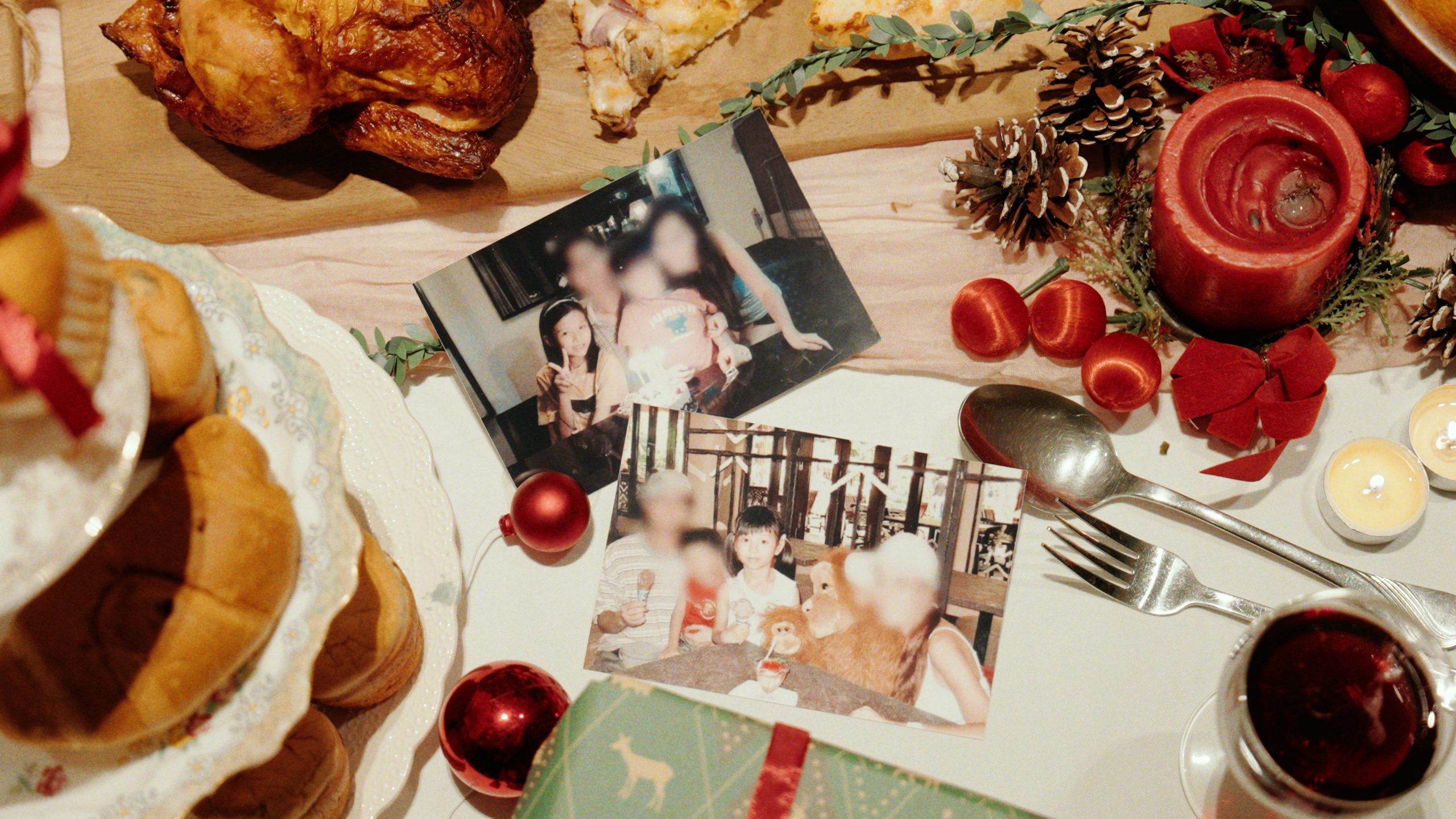
That was also when I noticed that they were not wearing their wedding rings. When my mum stopped wearing it, I was a bit curious. I would ask her about it, but she only said it was “uncomfortable” to wear.
Slowly, my dad also stopped wearing his ring, and they stopped talking to each other also. The only times they talked, they would fight over money.
When I look back, I think that period was when they were sorting out their different assets.
As I was growing up, I liked to go out. When I came home late, my mum’s scolding would be very harsh, and over time, I developed a love-hate relationship with her.
I think it added to the fact that she wasn’t very present—whether it was going overseas to travel or pursuing her own dreams. In contrast, I saw my dad as the hardworking one, the one holding the family together.
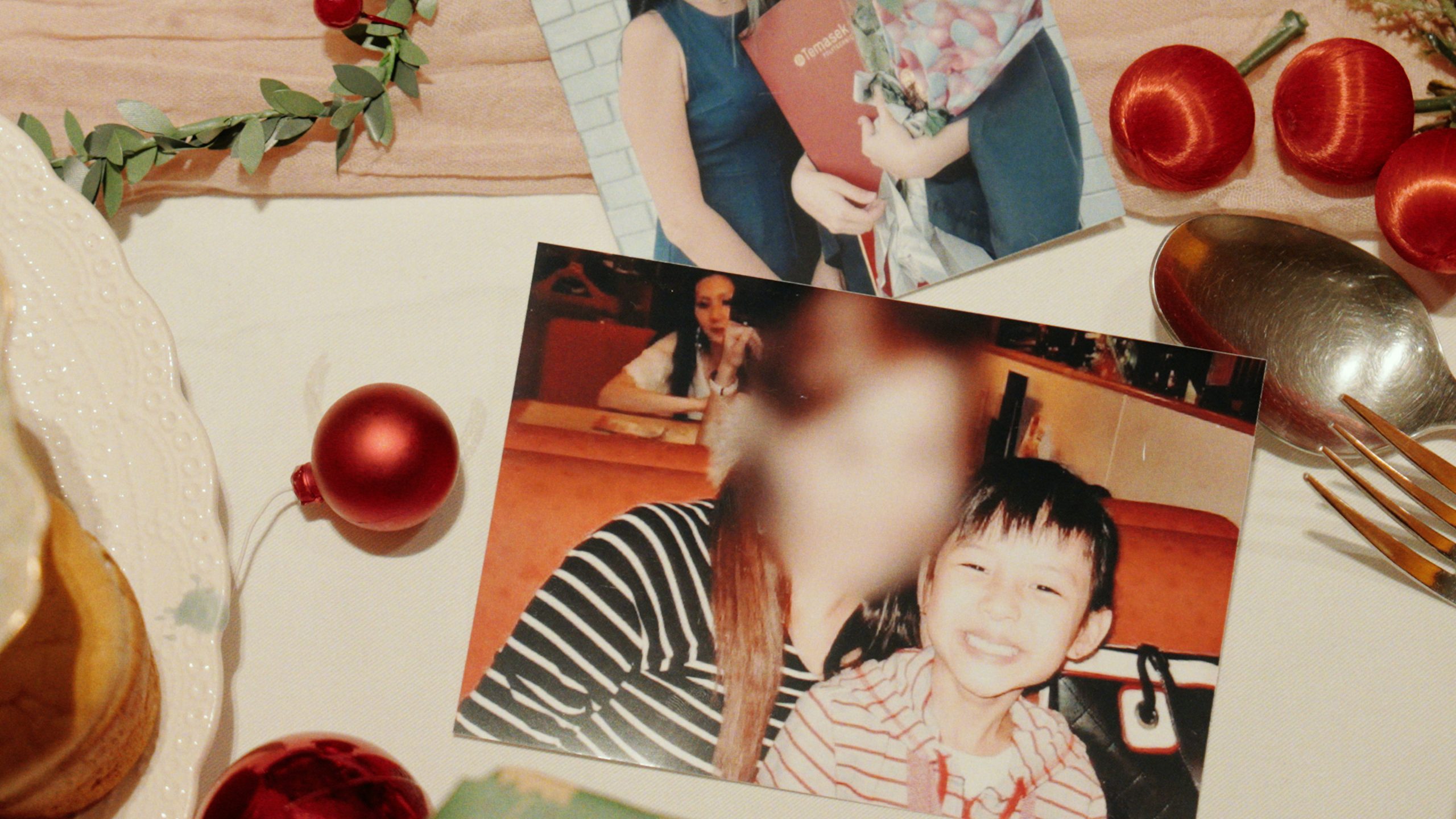
It was only around the age of eleven that I started to realise something was wrong. I suspected my parents were separated, or that there was something I didn’t know. That suspicion was confirmed when I saw a letter—probably from a lawyer—about them getting a divorce.
At that point, the separation didn’t feel like a big deal. We were still living together, and since they didn’t really explain anything, I told myself it wasn’t serious. But even then, there was a deep sense of emptiness in my heart.
I began hanging out with friends late just to escape. I looked for validation in being popular at school, and I expressed a lot of my thoughts online. Even though I never spoke directly about the divorce or my family, I knew it was my way of coping with how I felt.
Acting out and wanting to be seen
Eventually, my online posts were reported as bullying, which caught a teacher’s attention. They began asking about my life, and that was when I shared that I had discovered my parents were divorcing.
For the first time, I felt like someone was really trying to hear me out. Deep down, I didn’t want to misbehave. But whenever things escalated to the point where my parents were informed, those were some of the few moments they had long conversations with each other—about me.
I saw it as a possible way for them to reconcile…
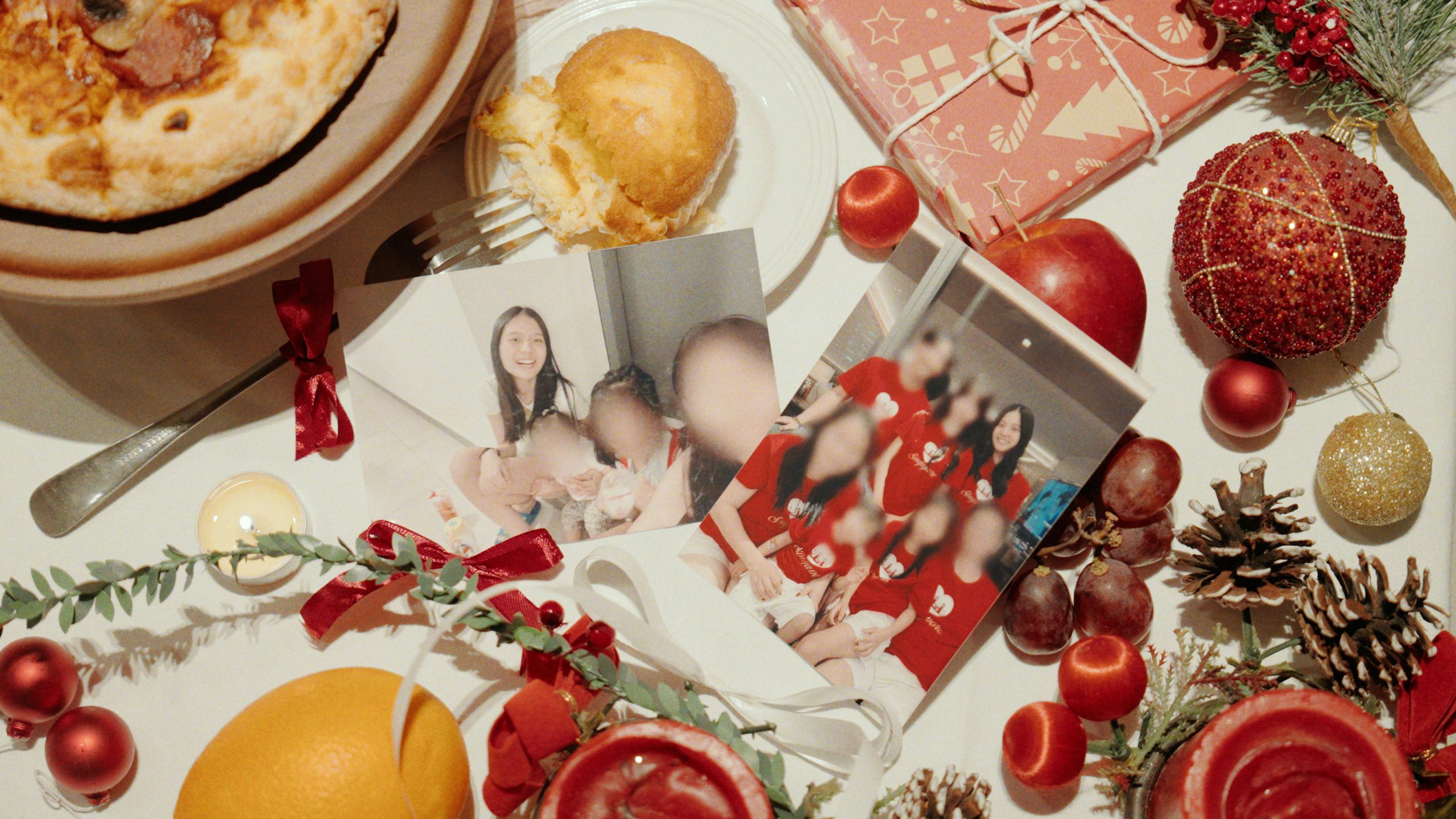
Later, my parents spoke to me separately about the divorce. I kept asking the same questions: Why did you divorce? Why couldn’t you stay together? Why couldn’t we be a complete family?
After that, things at home escalated. I became more emotional, especially with my mum. Our relationship grew increasingly tense as she became less present. Slowly, my affection for her turned into resentment, even though she continued trying to affirm and reconcile our relationship.
Hoping God would fix my family
In school, I changed. I started craving validation, surrounding myself with more friends, and entering different relationships so I could feel complete.
At church, I heard many stories about God restoring families. That gave me hope that maybe God could bring my parents back together. Over time, restoration became synonymous with that one hope.
I believed that because I was consistent in my walk with God, He should move in that way and give me what I wanted.

My parents had agreed that my mum would move out when I turned eighteen. I dreaded that age because I knew it meant a final separation.
When COVID delayed those plans, it gave me hope again. Despite the tension we shared living under the same roof, I didn’t want her to leave.
When she eventually moved out, the house felt empty and quiet. Her absence made me feel like I was moving even further away from the family I had always wanted.
I felt angry and afraid, wondering if everyone would eventually leave.
Learning to love in a new reality
Not long after, my dad told us that his new family would be moving in. I felt angry and upset, but I kept it to myself. My main concern was whether my brother would be ready to accept them.
When they arrived, I chose to love my new siblings. I saw them as innocent… and I saw myself in them.
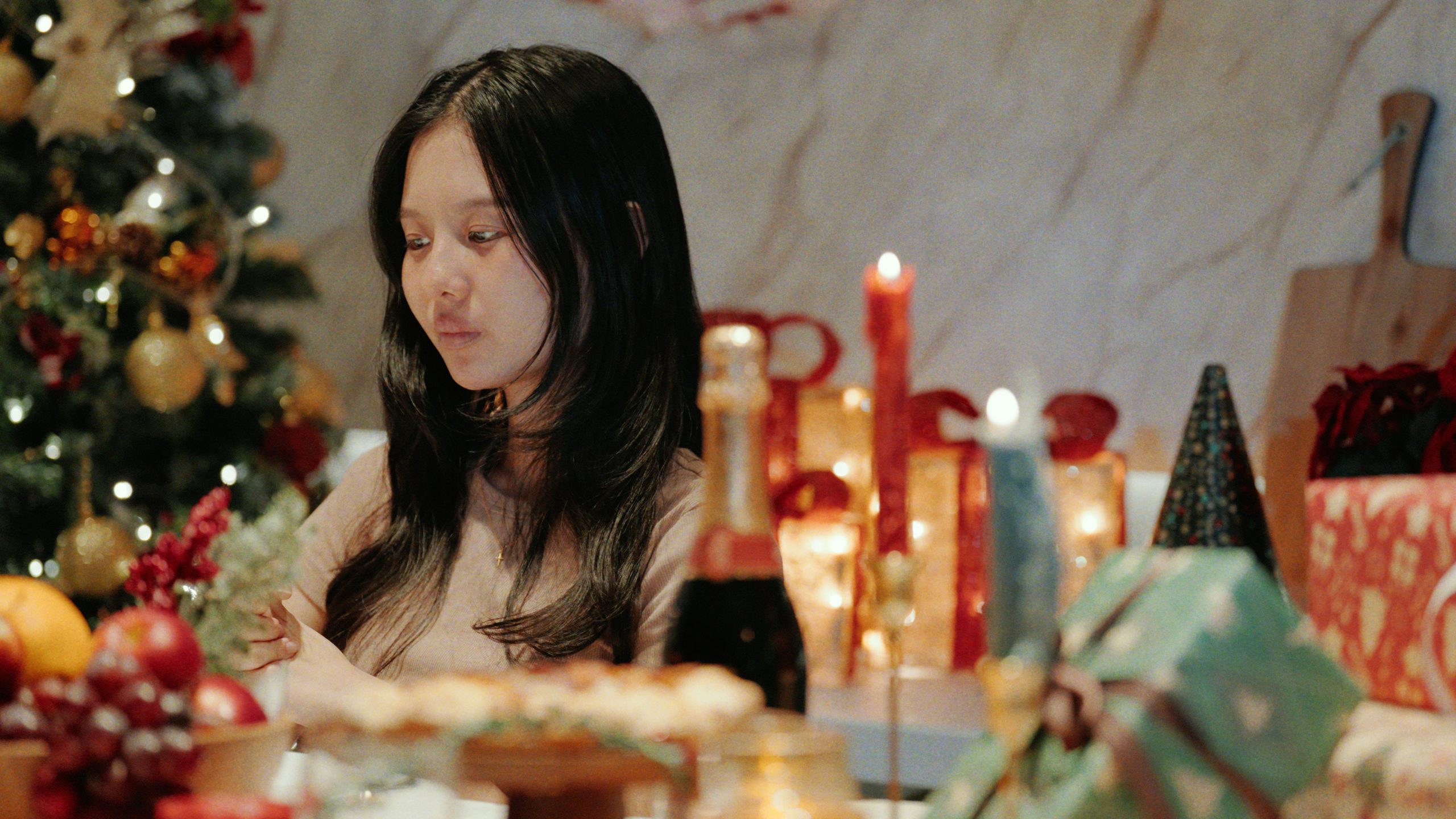
I wanted to protect them from the hurt and consequences of our parents’ decisions. Loving them also felt like an expression of my commitment to God.
But even after a year, I realised I still carried unresolved bitterness and pain. When I saw my brother adjusting better than me, I felt left behind and wondered why I couldn’t move on.
Discovering a different kind of restoration
One of my most memorable encounters with God happened at a youth camp where I was serving as a leader. As I prayed for others to experience forgiveness and healing, I found myself asking God, what about me?
Before that camp, God had led me to the story of the bleeding woman in the Bible. I realised that I was like her—longing to be seen and healed. If Jesus could see her in a crowd… maybe He could see me too!
That was when I encountered God as my Father and understood that there is no fear in His love. Over the past year, God has been uncovering the fears and lies that had kept me from experiencing His love.
I began to see that restoration didn’t mean my family coming back together. It meant learning how to love without fear.
Today, I see how God has been redeeming my relationships—with my stepfamily, my biological mum, my brother, and slowly, my dad.
I believe God has a redemptive purpose for my family, even though it was born out of brokenness.
His love can still heal, and nothing is impossible for Him!