


Pastor Lam Wai Chan was 37 when he first received the call to uproot and relocate to Japan. Despite his love for the country and its culture, and his fluency in the language, it was not something he had ever considered.
In fact, he brushed the idea off because Japan just seemed like a very difficult environment to serve in.
“I was giving all sorts of reasons to God. My wife had a budding career in the banking industry; the church that I was serving in had no ministry in Japan; I had to take care of the youths in my ministry… there was my family to take care of too.”
But God intervened. Pastor Lam’s wife received a job offer in Japan, and he was introduced to a local Church of God pastor. All his reasons not to come over fell flat one by one, and by April 2013, Pastor Lam arrived in Tokyo with his wife and their pet dog in tow.
“No English, no English”
Upon his arrival in Japan, his senior told him, “I’ll give you one year to adapt. Maybe you can preach twice a month in English, and I’ll translate for you.”
Preaching to a congregation that didn’t understand English gave Pastor Lam immense pressure. As if that wasn’t enough, when he was preparing for his first sermon he kept having this thought come to mind: “No English, no English.”
It felt like an impossible challenge, but Pastor Lam knew in his heart that he had to preach his sermon in Japanese.
“If the first words that I delivered from the pulpit were in English, the congregation would never be able to accept me as one of them. They would always see me as a foreigner. An outsider.”

After he preached his first sermon in Japanese, many of the congregants came up to him. True to Japanese hospitality, they were all thanking him and encouraging him for coming to Japan and for delivering his sermon in Japanese.
As he stood listening to them, something shifted in Pastor Lam’s heart. He saw their care and concern. He felt their hospitality towards him. He understood what they were saying to him. He was able to converse with them.
But how was he going to get through to their heart? How could he speak to the heart? How can he bring the Word of God into their lives and touch their heart? That was what was on Pastor Lam’s mind.

Even with the highest level of proficiency in the Japanese language and years of experience working as a news correspondent for a Japanese media company, Pastor Lam saw the hurdles ahead.
All he knew and all he had was just the bare minimum. He had to figure out how to speak their heart language. That was a humbling realisation for him.
“I could speak the language, I have led youths, I am a worship leader… I did think that perhaps I’m here to finally help the Japanese!”
Instead, God had instructed him to watch and learn.
From “them” to “us”
Despite being a skilled minister and a fluent Japanese speaker, one of Pastor Lam’s greatest fears was praying in the local language. In fact, even in the months that followed after preaching in Japanese, he just couldn’t pray.
“I just couldn’t do it. When my turn came to pray in our small groups, I chickened out and prayed in English. And that was really frustrating. I couldn’t overcome my own barrier.”
But one day, something changed. Pastor Lam was at a youth group meeting when they broke into smaller groups to pray at the end of the session. A sister approached him and asked if she could pray for him – in English.
Truth be told, she could barely speak in English, let alone pray in English. But even though he couldn’t quite understand what she was saying, her sincerity moved his heart.

“My heart broke. And at that moment the thought came to me: I’ll never pray in English again. Even if my Japanese is broken, even if they don’t understand me, I’ll never pray in English again.”
It was then that Pastor Lam decided that he had to be like them in order to truly become one of them.
“It’s not about what I can bring to the table. It’s about integrating into their community and being together with them. It’s not just speaking their language, it’s about speaking their heart language.
“Who am I to come into someone’s country and tell them what to do when I’ve not truly become one of them?”
Wholeheartedly and single-mindedly for God
According to the Japan National Tourism Organisation, more than 10 million international visitors have landed in Japan in the first quarter of 2025. On average, Japan welcomes approximately 36.87 million international tourists annually.
While it is undoubtedly one of the most popular holiday destinations, it is not somewhere many consider to be a productive mission field. In fact, Pastor Lam errs on the side of caution when it comes to encouraging people to do missions in Japan.
“When people tell me they want to relocate to Japan for missions, I actually dissuade them and ask them to think long and hard about it.
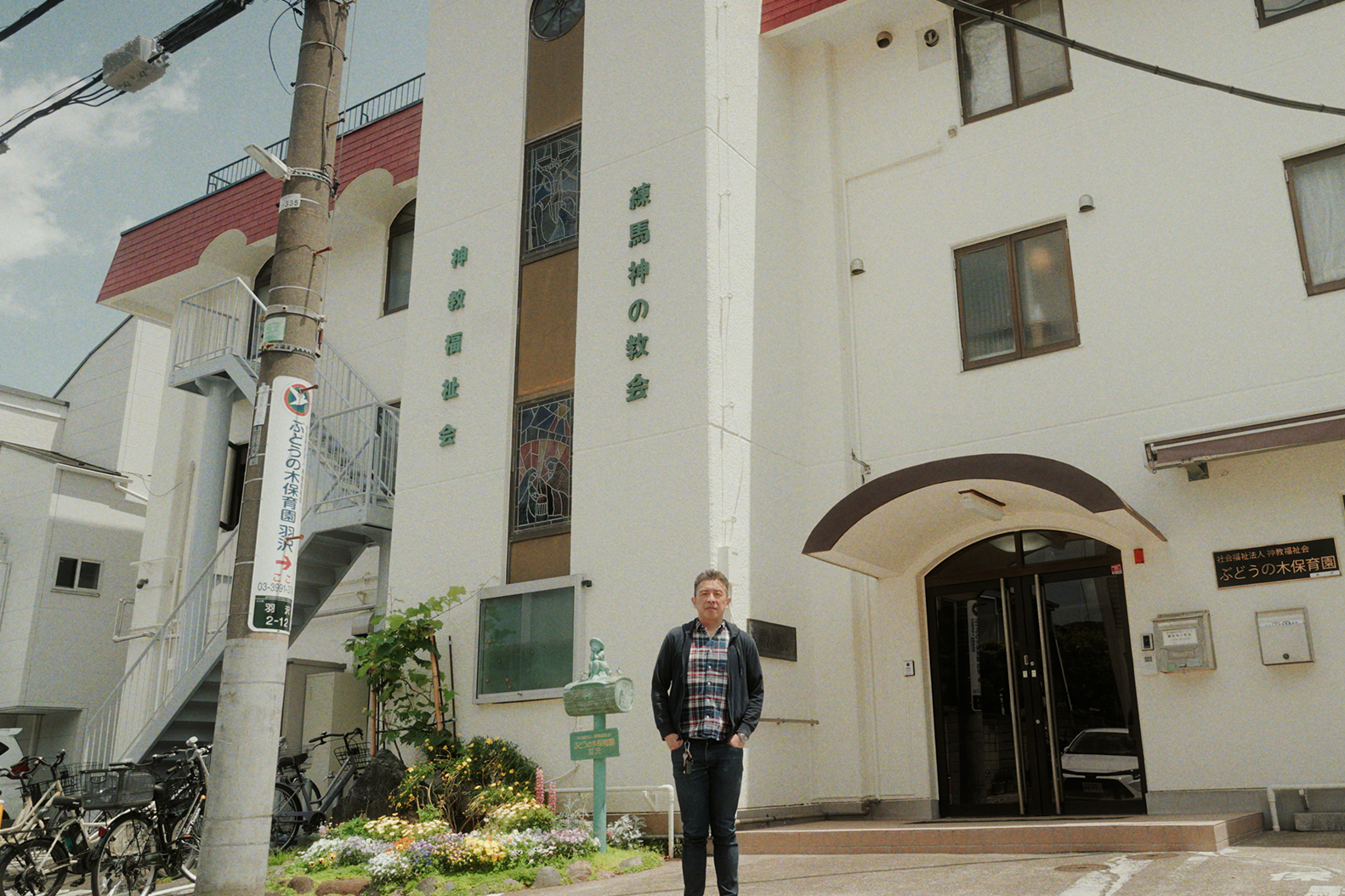
“We all know that Japan has a really beautiful culture. But many missionaries who come to Japan get so sucked into that culture that they forget why they’re even here.”
Having been in Japan for the last 12 years now, Pastor Lam shared that he has witnessed many who came and left swiftly after “barely scratching the surface”, feeling extremely discouraged.
“When you are so overwhelmed by the culture, you cannot do the Lord’s work.”
In Japan, there is a deep-rooted cultural practice called “omotenashi”. It emphasises selfless service and wholehearted hospitality towards all their guests. Every gesture is offered excellently, without any pretence or agenda.
“More often than not, the Japanese are better at Christian living than the Christians, ironically,” Pastor Lam quipped.
“How do we evangelise to people who easily outdo us in loving our neighbours?”

Missionaries who decide to move here have to be prepared for a long haul journey, and especially one that doesn’t necessarily bear visible fruit instantly.
That journey also requires a consistent effort to relate with the locals, to live with them and be with them.
“That’s why one of the biggest lessons God has taught me here is faithfulness. Without faithfulness, I can do nothing.”



