


Even though I grew up in church, I never really processed what it meant to “fear the Lord”.
I mean, why should a God who is known for being merciful and good be feared rather than just loved?
Well, maybe it’s not about being afraid or scared, but about…
1. Having awe and reverence for God
“Therefore, since we are receiving a kingdom which cannot be shaken, let us have grace, by which we may serve God acceptably with reverence and godly fear. For our God is a consuming fire.” (Hebrews 12:28-29)
While the Oxford English Dictionary defines the emotion of “fear” as to be afraid of (someone or something) as likely to be dangerous, painful or harmful, it also acknowledges that “fear” can also means to regard God with reverence and awe.

Hebrews 12:28-29 provides a good description for this godly fear.
Since we are citizens of heaven, we should serve the King of Heaven with awe and respect. Our God is a consuming fire — majestic and all-powerful — and He could annihilate us in a moment if He wanted to.
Isaiah 66:2 shows the attitude we should have in seeking the Lord, who “looks on with favour” to those who are “humble and contrite in spirit and trembles at [His] word.”
We should approach the throne with humility and respect, understanding that He is far greater than we are.
Having awe and reverence for the Lord is recognising that we need to go to Him on His terms, not ours, because He is the one who has full authority over us.
John Piper puts it best: “The sheer majesty of God, as well as the holiness, and justice, and power, and wrath of God, cannot be approached in a cavalier spirit. It would be insane to think we can just stroll up to the Creator of the universe and have a cavalier spirit.”
Having awe and reverence for the Lord is recognising that we need to go to Him on His terms, not ours, because He is the one who has full authority over us.
2. Recognising we are nothing without Him
“You will say then, “Branches were broken off so that I could be grafted in.” Granted. But they were broken off because of unbelief, and you stand by faith. Do not be arrogant, but tremble. For if God did not spare the natural branches, he will not spare you either.” (Romans 11:19-21)
The imagery of branches and vines is used constantly throughout the Bible – most famously in John 15:5.
Just like how a branch cannot bear fruit if it isn’t connected to the vine, we cannot do any good for God and His kingdom if we do not consciously abide in Him.
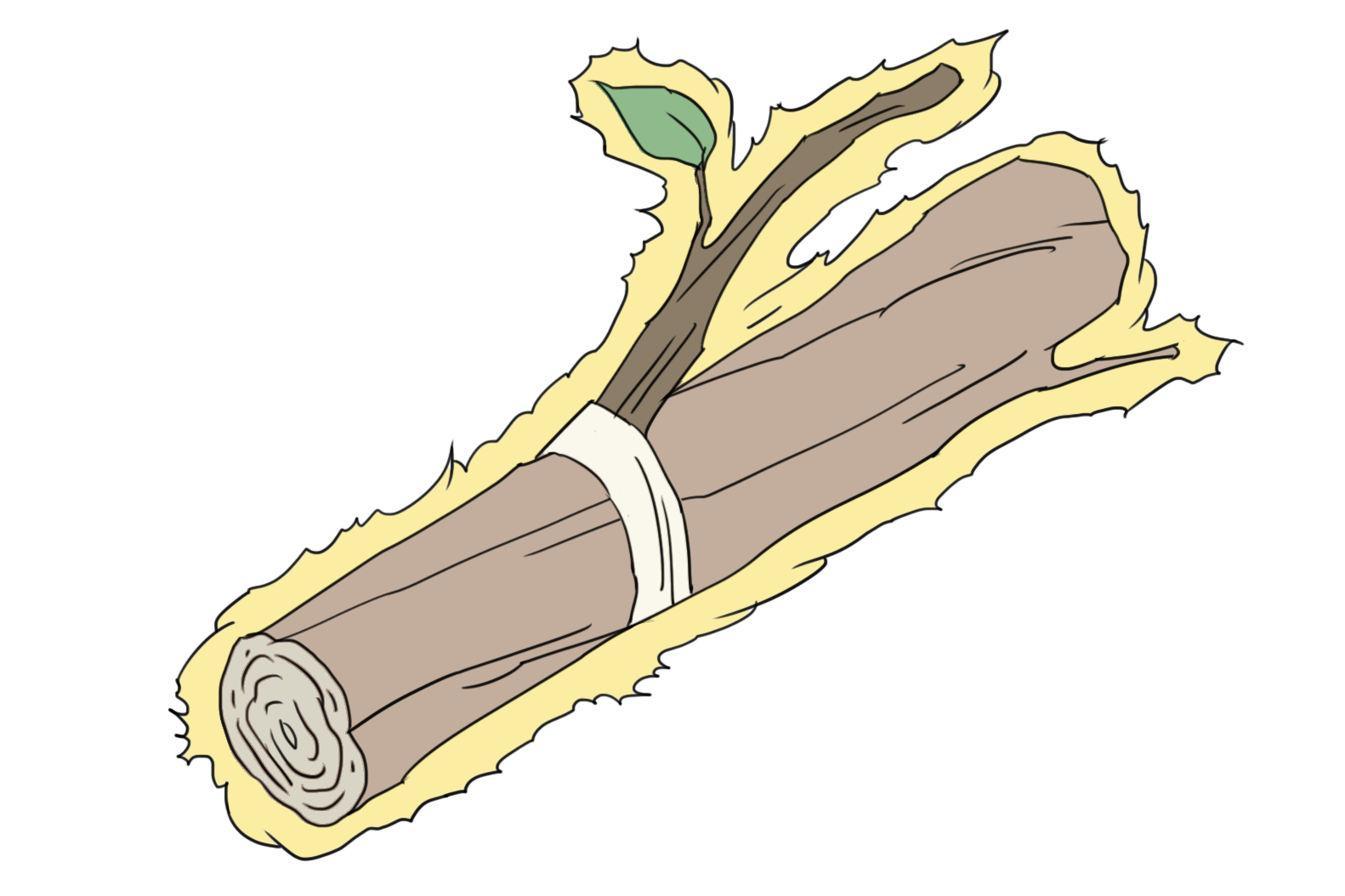
Here, Paul reminds the Gentile Christians that it is only by God’s grace that they are grafted into the “tree” of God.
It is God who gives grace; any Gentile standing in the “tree” of God is not there by their own merit. Should they not believe, they would be “cut off” the way Israel was.
We too can be reminded to not be arrogant, but tremble. We need to understand that it is only by the grace of God that we are included in His Kingdom. He does not need to spare us.
What that means for us is to not become haughty and complacent in our faith, as this would lead to us drifting away from God and becoming hard-hearted.
A healthy fear of the Lord can help us avoid running away from God, and instead, keep us running toward Him.
3. Understanding that the right fear leads to the fullest life
Fearing the Lord doesn’t mean we need to be afraid of Him. He has already saved us, and we don’t have to be scared of Him rejecting us.
1 John 4:18 reminds us that “there is no fear in love, but perfect love casts out fear. For fear has to do with punishment, and whoever fears has not been perfected in love”.
God doesn’t want or need us to cower in fear of Him when we are meant to find peace and joy in His presence. The terror one feels without knowing Christ is very different to the fear of the Lord.
Think about it this way: as children, we would fear the discipline of our parents.
Being scolded or caned might have been our parents’ method of instilling a fear of disobedience in us, and would be a form of deterrence for us from misbehaving again.
But most of us would know that, at the end of the day, this discipline ultimately stems from their love for us.
In the same way, we should fear the Lord’s wrath and discipline in a way that helps us desire to live righteously.
But even when the Lord disciplines us, we can know that it stems from His unconditional love for us as our Father. He wants us to follow His ways and choose life.
We can delight in fearing the Father’s name (Nehemiah 1:11), knowing that the best thing we can do in this life is to walk with our awesome God!
Indeed, Proverbs 19:23 tells us that the fear of the Lord leads to life, a life that is lived with satisfaction and not visited by evil.
So, look upon the Lord with reverence and submit to Him. As we walk with the Lord and fear Him, we will be blessed with a life of contentment and satisfaction.

- Do you think you fear the Lord?
- What aspect of fearing the Lord do you struggle with the most?
- Say a prayer that God would help you to fear Him.


